Clinical Insights
Authoritative articles and resources to help navigate the complexities of behavioral health.

-
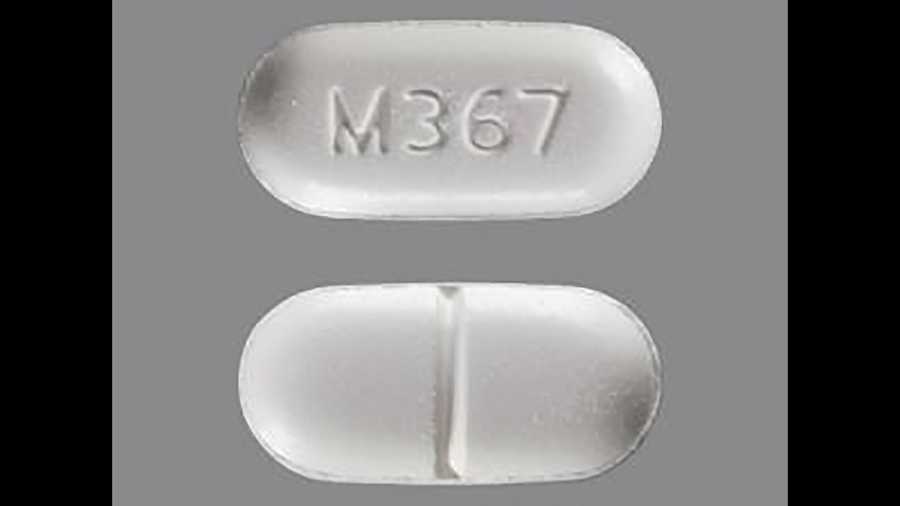
What Are M367 Pills?
If you’ve found a white, oblong pill stamped with “M367” in a medicine cabinet, a backpack, or a coat pocket, you’re probably trying to figure out what it is and whether you should worry. The short answer is yes, it’s worth a closer look. M367 is a prescription opioid, and opioids carry a real risk…
Read Article -
Impulsive Vs Compulsive: What’s The Difference?
Impulsive and compulsive behaviors get used as if they mean the same thing, and the confusion matters more than it sounds. A person who acts on a sudden urge and a person who repeats a ritual to quiet their anxiety are doing two different things, for two different reasons. When mental illness and substance use…
Read Article -

Prescription Drug Addiction Linked With Anxiety in Dual Diagnosis
Anxiety can make your own mind feel like a place you can’t leave. For many people who live with it, the relief that finally works comes from a prescription, and that’s where a second problem can quietly take root. When a medication meant to calm the panic becomes something the body now depends on, you’re…
Read Article -

The Relationship Between Bipolar Disorder & Alcoholism
When someone you love has bipolar disorder and is also drinking heavily, the two problems feed each other in ways that can feel impossible to untangle. The drinking makes the mood episodes harder to predict. The mood episodes make the drinking harder to stop. Watching it happen, you can start to wonder which one is…
Read Article -

Empowering Support: How to Avoid Enabling Mental Health Patients
Supporting a loved one with mental health challenges can be both rewarding and exhausting. There’s a fine line between being supportive and unintentionally enabling harmful patterns, and crossing it can slow your loved one’s recovery rather than help it. Here are practical ways to offer real, empowering support without slipping into enabling. Learn About the…
Read Article -
Can Xanax Make Anxiety Worse?
Discover the unexpected effects of Xanax as we explore the question, “Can Xanax make anxiety worse?” Unravel the concept of paradoxical reactions to this medication and understand the potential causes behind increased anxiety.
Read Article -

Helping a Loved One with Alcoholism
Discover effective strategies to support someone struggling with alcoholism in this comprehensive blog. Learn about communication, emotional support, treatment options, boundaries, and self-care.
Read Article -

How Does Alcohol Affect Serotonin: Understanding the Relationship
Alcohol is a widely used substance that has a significant effect on the brain and its neurotransmitter systems. One of those systems is serotonin, often called the “feel-good” neurotransmitter. Here’s how alcohol affects serotonin levels, what that means for your mood and mental health in the short and long term, and why the relationship matters.…
Read Article -

Understanding the Role of a Codependent Enabler: Breaking Free from Unhealthy Patterns
Discover the concept of a codependent enabler in relationships and its impact on individuals and dynamics. Learn how to break free from this unhealthy pattern and cultivate healthier relationships.
Read Article -
Can Anxiety be Cured Permanently?
It’s the question almost everyone asks at the first appointment, and it’s a fair one. You want a finish line. You want to know that if you do the work, take the medication, and show up to therapy, the anxiety goes away and stays gone. The honest answer from the research is more useful than…
Read Article -

Can Drugs Cause Mental Health Disorders?
Explore the intricate connection between drug use and mental health disorders. Understand how drugs can trigger or exacerbate mental health conditions, and the complex factors that contribute to this relationship.
Read Article -

What is Relapse Prevention?
Relapse prevention is the structured, skills-based work that protects recovery after the intensive part of treatment ends. It teaches a person to spot the situations that put them at risk, build the coping responses to get through those moments, and treat a slip as information rather than a verdict. For someone whose substance use sits…
Read Article

Immediate, Confidential Guidance
Our admissions specialists are available 24/7 to provide clinical recommendations and verify your coverage. Your dignity and privacy are our highest priorities.