Mental Health Treatment
Find peace with specialized anxiety treatment in South Florida.
At Destination Hope, our dedicated clinical team leads a highly specialized anxiety track built around structured exposure-therapy protocols. We don’t just teach you to cope with fear. We guide you in systematically dismantling it. By combining advanced cognitive-behavioral techniques with a dignified, safe environment, we help clients confront long-held anxieties, process their physical symptoms, and gradually reclaim a life free from avoidance.

Understanding the Impact
Symptoms of Anxiety
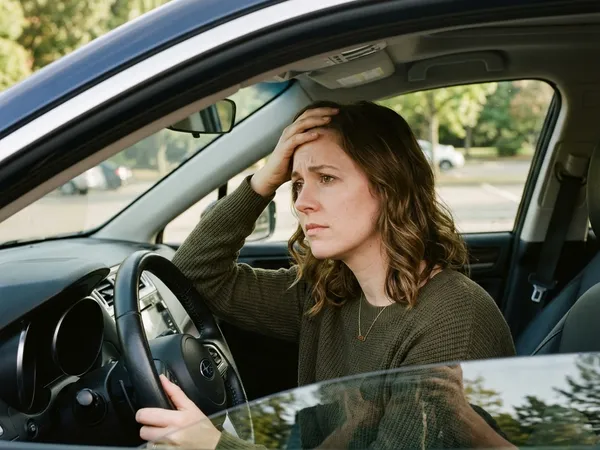
Anxiety manifests in both psychological and physical ways. Psychologically, people experience worry, fear, dread, or a sense of impending doom. They may have racing thoughts, difficulty concentrating, or feel hypervigilant and on guard. They often avoid situations that trigger anxiety.
Physically, anxiety causes heart racing, difficulty breathing, chest pain, dizziness, trembling, sweating, stomach upset, and muscle tension. Some people experience sleep problems, appetite changes, or chronic fatigue. These physical symptoms are real. Anxiety activates the body’s stress response, triggering genuine physiological changes.
Untreated anxiety disorders tend to worsen over time. The longer avoidance patterns continue, the stronger they become. People often begin using alcohol or drugs to manage symptoms, leading to addiction. Avoidance increases as people limit their activities more and more. Anxiety becomes more entrenched, affecting every area of life. Work becomes difficult. Social relationships suffer. Family members become frustrated. Self-worth erodes as people feel increasingly trapped by their anxiety.
Types of Anxiety Disorders
We treat the full spectrum of anxiety disorders, often heavily intertwined with depression. (Note: For trauma-driven anxiety, please explore our PTSD and Trauma Treatment program).
Generalized Anxiety
Generalized anxiety disorder involves chronic, persistent worry about everyday matters. People with GAD feel anxious much of the time, even when they can’t identify specific reasons for their worry. They often experience physical symptoms including tension, fatigue, difficulty sleeping, and restlessness.
Panic Disorder
Panic disorder involves sudden, unexpected episodes of intense fear or dread. A panic attack can feel terrifying, heart racing, difficulty breathing, chest pain, dizziness. People often develop anxiety about having another attack, leading to avoidance of places where attacks occurred.
Social Anxiety
Social anxiety disorder, also called social phobia, involves intense fear of social situations where a person might be judged, embarrassed, or scrutinized. People with social anxiety may avoid public speaking, eating in public, or even going to social gatherings.
Specific Phobias
Specific phobias involve intense, irrational fear of particular objects or situations, flying, heights, animals, blood, needles. The fear is often recognized as excessive, but people feel powerless to control it.
OCD
Obsessive-compulsive disorder involves unwanted, intrusive thoughts (obsessions) that create anxiety, leading to repetitive behaviors (compulsions) intended to reduce the anxiety. Someone might obsess about contamination or have obsessive thoughts about harm.
Co-occurring Addiction
Anxiety and substance abuse are closely linked. Many people with anxiety disorders use alcohol or drugs to manage their symptoms. Alcohol temporarily reduces anxiety, creating a powerful reinforcement cycle. But regular use leads to dependence, and over time, alcohol actually worsens anxiety.
When anxiety and substance abuse co-occur, treating only one doesn’t work. You need integrated treatment addressing both simultaneously through our dual diagnosis treatment program.
Our Anxiety Treatment Program
Destination Hope provides full anxiety treatment addressing both psychological and physical symptoms. Every client receives psychiatric evaluation to determine whether medication would be helpful. Our psychiatrist meets with you regularly, managing medication and monitoring symptom improvement.
Your primary therapist provides individual therapy using cognitive-behavioral approaches and exposure therapy tailored to your specific anxiety symptoms. Group therapy connects you with others managing anxiety and provides peer support and learning. Family therapy addresses how anxiety affects your relationships and involves loved ones in your recovery.
Throughout treatment, we help you understand what triggers your anxiety, how your mind amplifies anxiety through catastrophic thinking patterns, and what skills help you manage it. We gradually help you confront situations you’ve been avoiding, discovering that you’re braver than you believed.
Evidence-Based Approaches
Cognitive-Behavioral Therapy (CBT) is the approach most strongly supported by clinical research for anxiety disorders. CBT teaches you to identify anxious thoughts and beliefs, examine their validity, and develop more realistic thinking patterns.
Exposure Therapy
Exposure therapy is a specific CBT technique where you gradually confront feared objects or situations in a safe, controlled environment. For someone with flying anxiety, this might involve looking at pictures of planes, visiting an airport, sitting in a stationary plane, and eventually taking flights. As you repeatedly face the feared situation without bad things happening, your anxiety naturally decreases.
Psychiatric Medication
Medication can help with anxiety symptoms. Anti-anxiety medications like benzodiazepines provide short-term relief but carry addiction risk, so they’re typically used briefly while starting other treatments. Antidepressants, particularly SSRIs, are effective long-term treatments for anxiety disorders. These work by restoring brain chemistry balance and typically take several weeks to show full effect.
Mindfulness & Acceptance
Mindfulness and acceptance approaches teach you to observe anxious thoughts without fighting them, recognizing that thoughts are passing mental events. Breathing and relaxation techniques calm your nervous system. We incorporate yoga, physical activity, and other wellness approaches that calm the nervous system.
Lifestyle and Self-Help Approaches
Regular exercise greatly reduces anxiety. Physical activity burns stress hormones, increases mood-enhancing chemicals, and provides an outlet for nervous energy. Most people find that moderate exercise most days of the week substantially improves anxiety.
Sleep is critical. Anxiety disrupts sleep, and poor sleep worsens anxiety. Sleep hygiene practices help. Limiting caffeine and alcohol, maintaining consistent sleep schedules, and creating a comfortable sleep environment support better sleep.
Meditation and mindfulness reduce anxiety. Even brief daily practice, 10 to 15 minutes, can lower anxiety noticeably. Yoga combines physical movement with breathing and mindfulness. Progressive muscle relaxation teaches you to consciously tense and release muscle groups, inducing relaxation.
Avoiding avoidance is crucial. When you avoid anxiety-provoking situations, anxiety actually increases because you reinforce the belief that the situation is dangerous. Gradually facing feared situations, even when it’s uncomfortable, breaks this cycle.
Can Anxiety Be Treated?
With proper treatment, anxiety improves substantially. People regain the ability to work, socialize, and pursue activities they’ve avoided. They develop real skills for managing anxiety rather than relying on avoidance or self-medication. They understand their anxiety and themselves better, recognizing triggers and early warning signs. They discover that anxiety, while uncomfortable, is not dangerous and that it naturally decreases when they stay with it rather than escape.
Of U.S. adults experience an anxiety disorder in a given year, making it one of the most common mental health conditions in the country.
Source: NIMHOf adults reported feeling more anxious in 2024 than they did the previous year, showing rising stress levels.
Source: APA, 2024Of U.S. adults reported consulting a mental health professional, highlighting the need for broader access to care.
Source: APA, 2024Take the next step
Talk to admissions about your situation.
If you’re struggling with anxiety that interferes with your life, help is available. We know that reaching out about anxiety can feel difficult. You may worry about being judged or fear that seeking help means something is wrong with you. But anxiety disorders are medical conditions affecting millions of people, and treatment works. You don’t have to continue living with overwhelming anxiety.
Crisis Support: If you are experiencing severe anxiety or having thoughts of harming yourself, please call the 988 Suicide & Crisis Lifeline at 988, available 24/7. For life-threatening emergencies, please call 911.