Admissions
Guidance and help for loved ones.
When someone you love is struggling with addiction or mental health challenges, the impact extends far beyond that one person. We are here to help you navigate this difficult journey alongside your loved one.

Warning Signs
Recognizing when help is needed
It can be difficult to know when substance use or mood changes have crossed into territory that requires professional treatment. If you recognize any of these signs, it may be time to encourage them to seek professional help:
- Withdrawal from family, friends, or isolation
- Neglect of responsibilities at work or home
- Serious mood changes or increased irritability
- Loss of interest in activities they once enjoyed
- Financial or legal problems related to use
- Failed attempts to quit or reduce use
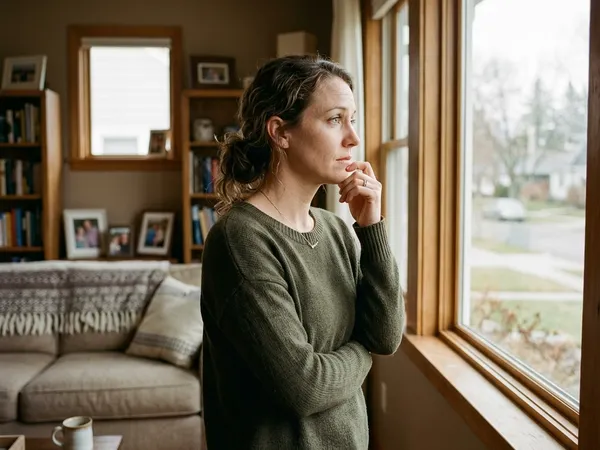
Navigating Treatment
How to talk about getting help
Initiating a conversation about treatment can be challenging. Here are some ways to approach your loved one compassionately.
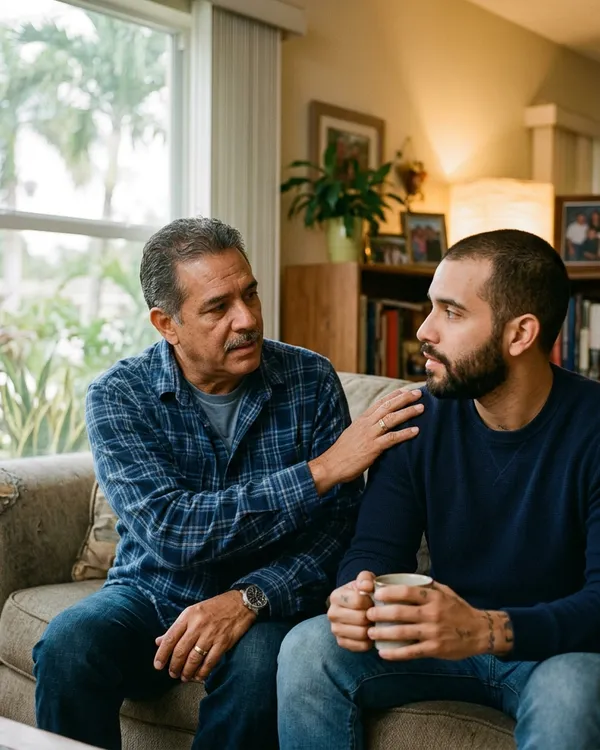
Choose the right time & place
Have the conversation when your loved one is calm and sober, in a quiet, private setting. Avoid timing the conversation right after a crisis when emotions are running high.
Express love, not blame
Use “I” statements to describe how their behavior affects you. Say “I am worried about you and want to help” rather than “You are destroying your life.”
Listen without judgment
Allow your loved one to share their perspective. Sometimes people need to feel heard and understood before they can accept that change is necessary.
Offer to make the call
The barrier to treatment is often just not knowing where to start. Offering to sit with them while they call our admissions coordinators can make a huge difference.
Taking Care Of Yourself
Family members often neglect their own wellbeing while focused on helping a loved one. This can lead to burnout, resentment, and health problems.
Family Program
When your loved one enters treatment, you aren’t left behind. Learn about our clinical Family Program, which includes weekly groups and intensive family weekends.
Set Healthy Boundaries
You need to clearly communicate what behaviors you will and will not tolerate. Boundaries protect both you and your loved one by preventing enabling.
Find Community Support
Join a support group like Al-Anon, Nar-Anon, or NAMI to connect with other families affected by addiction or mental illness.
You Can’t Control It
Remember that you cannot control your loved one’s recovery. You can only control your own choices and responses. Letting go of trying to “fix” them is essential for your own health.
The Reality of Family Involvement
Completed their treatment program when family therapy was part of care, compared to 59% without.
Source: NIH/PMC, 2023Of adults who ever had a substance use problem now consider themselves in recovery.
Source: SAMHSA, 2023 NSDUH