Levels of Care
Immersive residential care in South Florida.
Residential treatment is the most intensive level of inpatient care at Destination Hope, providing 24-hour support in a structured therapeutic environment where clients can focus entirely on their recovery away from the triggers of their daily lives.
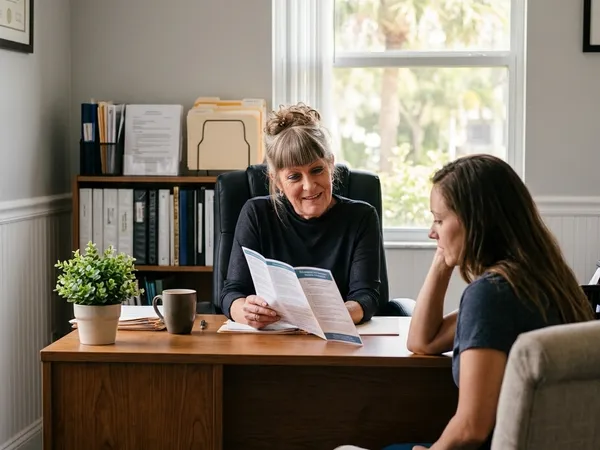
The Immersion Phase
Structured Daily Care
Residential treatment is designed for individuals whose circumstances require constant support to establish early sobriety and stabilize mental health.
A Typical Day
Most mornings begin with a community meeting. You attend individual therapy or group counseling, followed by experiential therapies like art, yoga, or recreational activities in the afternoon.
Gender-Specific Housing
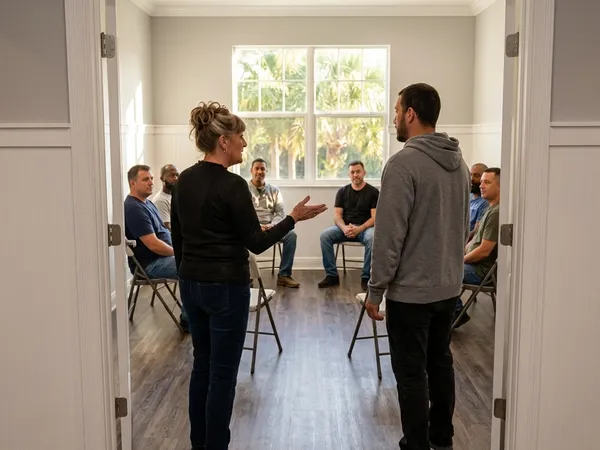
We understand that men and women often benefit from gender-specific spaces to discuss recovery-related issues. Our residential program includes dedicated group sessions that create space for deeper sharing.
Therapy & Psychiatry
We don’t treat addiction and mental health as separate issues. Our psychiatrists and therapists work together to address the whole person.
Medication Management
If you need psychiatric medication for mental health conditions, our psychiatrists carefully assess, prescribe, and monitor. If you’re on maintenance medication for opioid addiction, we coordinate that care.
Individual Therapy
The foundation of residential treatment. You meet weekly with a licensed therapist to explore the roots of your addiction, develop coping skills, and process trauma.
Group Therapy
Group therapy creates community and accelerates learning. You hear how others struggle with similar issues and how they’re working through them.
Transition Planning
As your stay progresses, our team prepares you for the transition to comprehensive aftercare.
The Reality of Residential Treatment
Average completion rate for residential treatment programs, significantly outperforming less structured levels of care for severe substance use disorders.
Source: Saloner et al., 2016Patients in residential treatment are nearly three times as likely to complete their program as those in outpatient care.
Source: Saloner et al., 2016Relapse rates for substance use disorders run 40 to 60%, comparable to chronic illness, which is why severe cases need residential intensity.
Source: NIDA