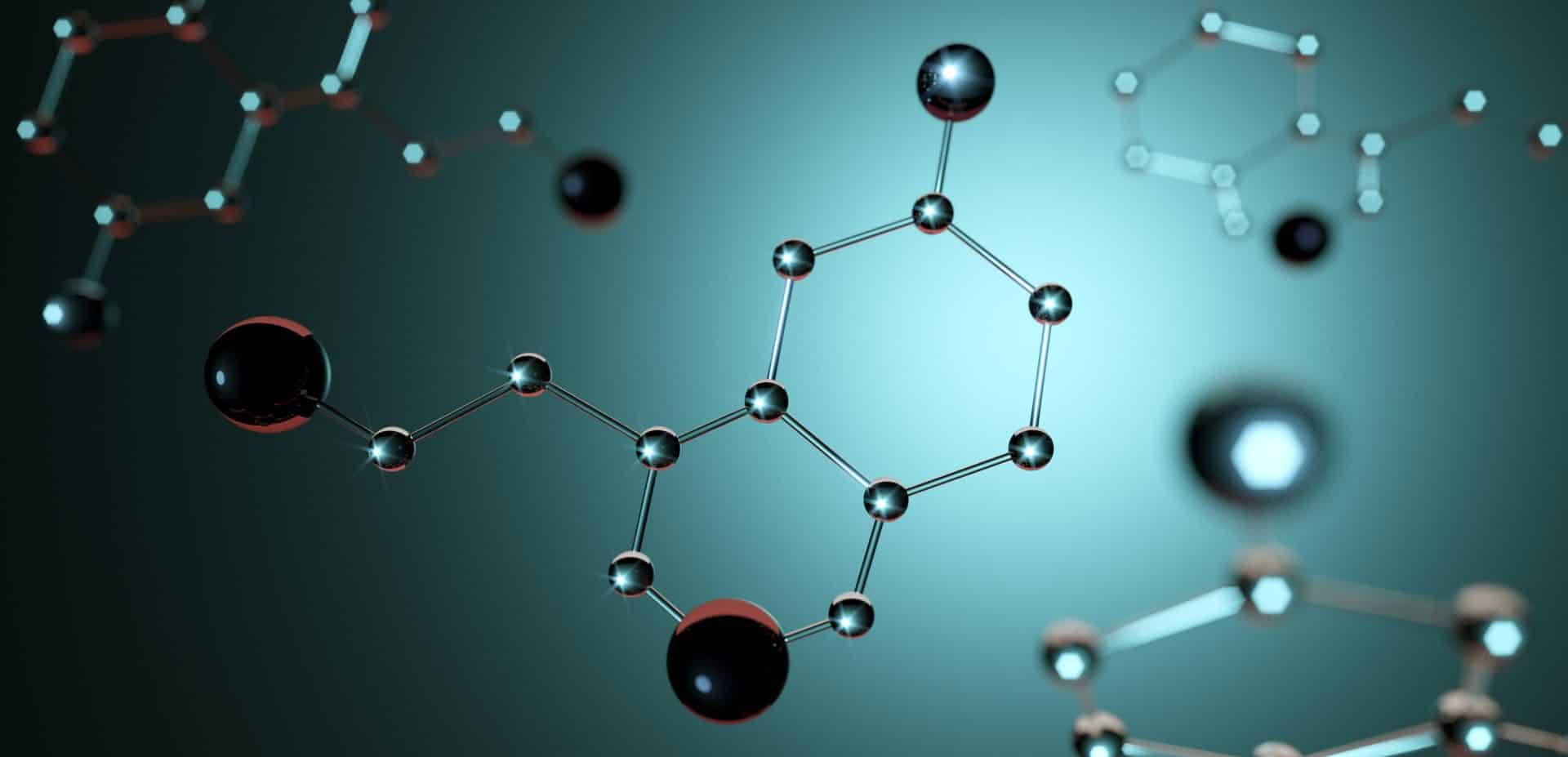
Alcohol is a widely used substance that has a significant effect on the brain and its neurotransmitter systems. One of those systems is serotonin, often called the “feel-good” neurotransmitter. Here’s how alcohol affects serotonin levels, what that means for your mood and mental health in the short and long term, and why the relationship matters.
What Serotonin Does in the Brain
Serotonin is a neurotransmitter that helps regulate mood, sleep, appetite, and overall well-being. It contributes to feelings of happiness, calm, and emotional stability. Serotonin is one of several factors linked to mood disorders such as depression and anxiety, which are complex conditions that involve much more than any single neurotransmitter. That’s why understanding alcohol’s effect on serotonin matters for mental health.
Short-Term Effects of Alcohol on Serotonin
Drinking initially raises serotonin levels, which produces a temporary lift in mood and a sense of relaxation. It’s part of why some people feel a brief euphoria when they drink. The effect doesn’t last. After that initial rise, serotonin activity declines, and reduced serotonin signaling as alcohol leaves the system can disrupt mood and emotional regulation.
Long-Term Effects of Alcohol on Serotonin
Heavy, ongoing drinking can cause lasting disruptions in serotonin function. Chronic alcohol use is associated with reduced serotonin availability and changes in how serotonin is transported and signaled in the brain, though the exact mechanisms aren’t fully understood. Over time, this is linked to persistent mood problems, greater vulnerability to depression and anxiety, and difficulty feeling pleasure or regulating emotions.
How Alcohol and Serotonin Affect Mental Health
Alcohol’s effect on serotonin is closely tied to the development and worsening of mental health conditions. Alcohol misuse and dependence often co-occur with major depressive disorder, generalized anxiety disorder, and post-traumatic stress disorder. Serotonin is one of several neurotransmitter systems implicated in these conditions, and alcohol can further disrupt the brain chemistry involved, deepening symptoms and making recovery harder.
When alcohol use and a mental health condition feed into each other this way, treating one without the other is far less effective. Our dual diagnosis program treats both at the same time, so the underlying psychiatric condition isn’t left untreated while you address the drinking.
Finding Balance and Support
Understanding how alcohol affects serotonin points to why support matters when drinking starts to take a toll on your mood. For anyone struggling with alcohol use or a mental health condition, professional care can provide the structure and resources recovery requires.
Alcohol has complex effects on serotonin that influence mood, mental health, and overall well-being. Being aware of that relationship can help you make informed decisions about drinking and protect your mental health. If alcohol is affecting your mood or your life, call Destination Hope at (954) 302-4269 to talk with someone who can help.