Levels of Care
Lifelong support through robust aftercare.
Recovery doesn’t end when you complete your formal treatment program. Destination Hope provides robust aftercare planning and an active alumni program designed to support you for months and years after treatment ends.
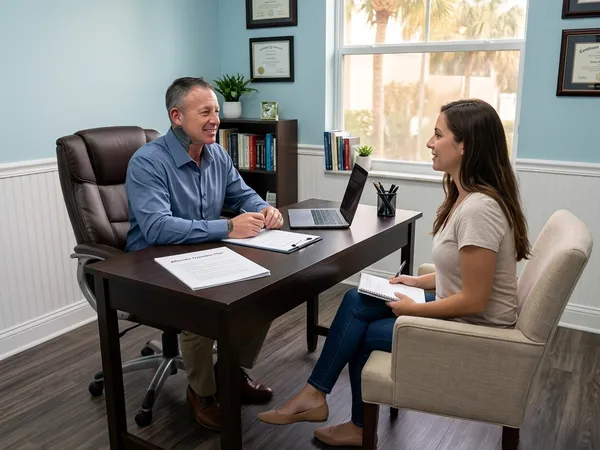
Lifelong Support
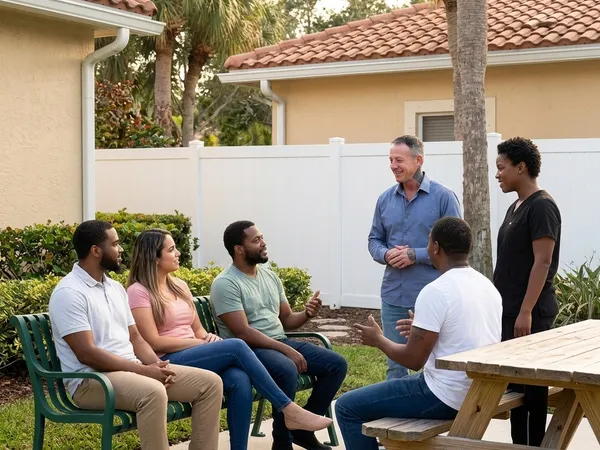
The Destination Hope Alumni Program
We maintain ongoing communication with alumni, organize regular meetings and social events, facilitate speaking opportunities, and keep people connected.
Weekly Alumni Meetings
Every Saturday from 7:00 PM to 8:00 PM. Available both in-person at our facility and online via Zoom.
Events & Community
Year-round retreats, recreational activities, and events where alumni reconnect, build friendships, and create joy in sobriety.
What Aftercare Support Includes
Relapse prevention is the primary goal of aftercare, but not the only goal. Building a healthy, productive life in recovery is the ultimate aim.
Relapse Prevention Planning
Before you graduate from treatment, you and your treatment team develop a detailed working tool that identifies your specific triggers, situations, emotions, or environments that create high relapse risk for you.
Continuing Therapy
Most people benefit from continuing individual therapy after treatment. Your therapist understands your history, providing continuity and expertise as you navigate the real-world challenges of recovery.
Family Therapy
Family therapy work doesn’t end when treatment ends. Many people benefit from continued family sessions that help relationships continue healing, rebuild trust, and establish healthy communication.
Case Management
Finding stable housing, getting employment, managing finances, and navigating community resources can be overwhelming. Case management provides practical support alongside clinical care, often continuing for six months to a year after intensive treatment.
The Reality of Aftercare
Relapse rates for substance use disorders run 40 to 60%, comparable to other chronic illnesses, which is why sustained aftercare matters.
Source: NIDAU.S. adults consider themselves in recovery from a substance use problem, a community that grows through aftercare.
Source: SAMHSA, 2023 NSDUHOf adults who ever had a substance use problem now consider themselves in recovery.
Source: SAMHSA, 2023 NSDUH