Clinical Insights
Authoritative articles and resources to help navigate the complexities of behavioral health.

-
Vyvanse Dependence: Signs, Risks, and Treatment Options
Vyvanse can move from a medication you rely on to a medication you can’t function without, and the line between those two states is easy to miss from the inside. Maybe the original dose stopped working. Maybe a missed day now brings a hard crash instead of a mild off-feeling. Dependence on lisdexamfetamine is a…
Read Article -
What Is the DEA?
The Drug Enforcement Administration, the DEA, is the federal agency responsible for enforcing the controlled substances laws of the United States. It sits inside the U.S. Department of Justice, and its work reaches well past American borders. If you’ve ever wondered why some medications require a special prescription, or why one drug is treated as…
Read Article -

Benadryl Abuse Trends: The Dangers of Misusing a Common Over-the-Counter Drug
Benadryl sits on almost every bathroom shelf in America. It treats allergies, calms a runny nose, and helps some people sleep. So when a parent learns that their teenager has been taking it by the handful to feel high, the first reaction is usually disbelief. How can an allergy pill be dangerous? The honest answer…
Read Article -
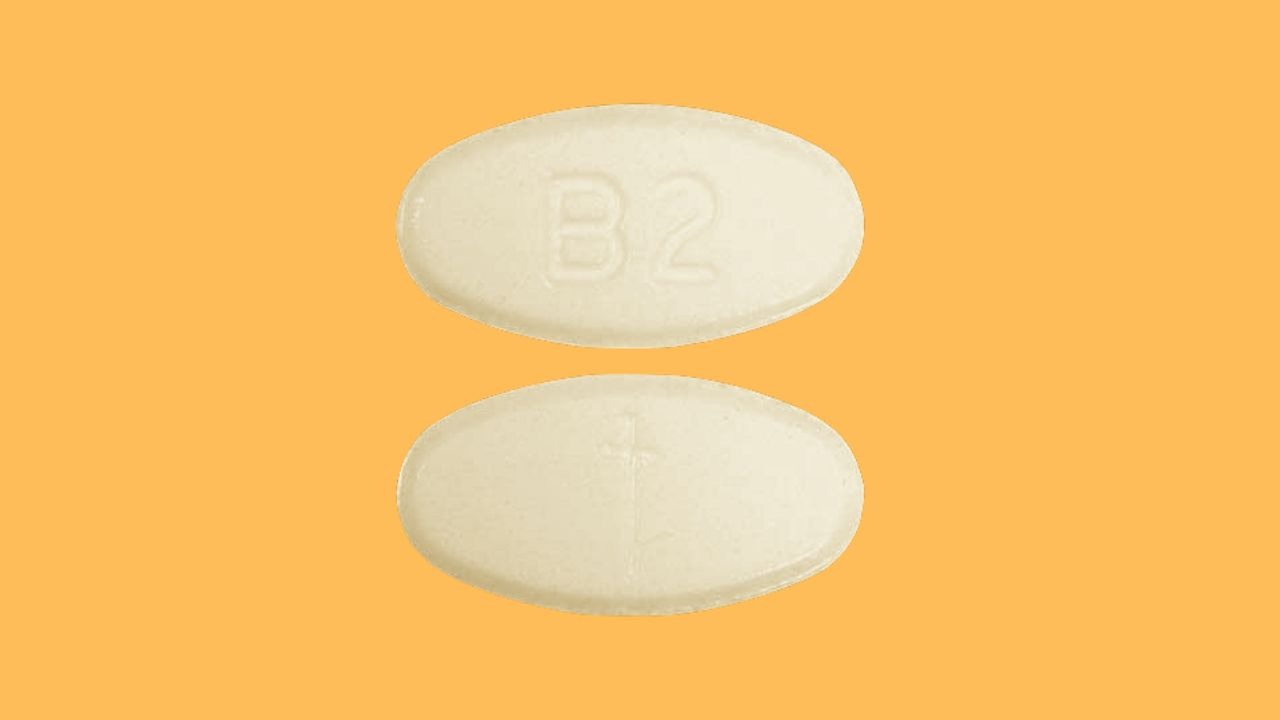
What is Subutex?
If a doctor has mentioned Subutex for someone you love, you’re probably trying to make sense of a medication you didn’t choose and didn’t expect. Subutex is a brand name for buprenorphine, a medication used to treat opioid use disorder. It’s one piece of an approach the federal government and major medical bodies consider evidence-based,…
Read Article -

How to Stop DPH Abuse
Diphenhydramine is the active ingredient in Benadryl and dozens of other over-the-counter allergy and sleep products. Used as directed, it’s safe. Taken in large doses to chase a high, it becomes a deliriant that can stop the heart. If you’re a parent who found empty blister packs in your teenager’s room, or you’re watching someone…
Read Article -
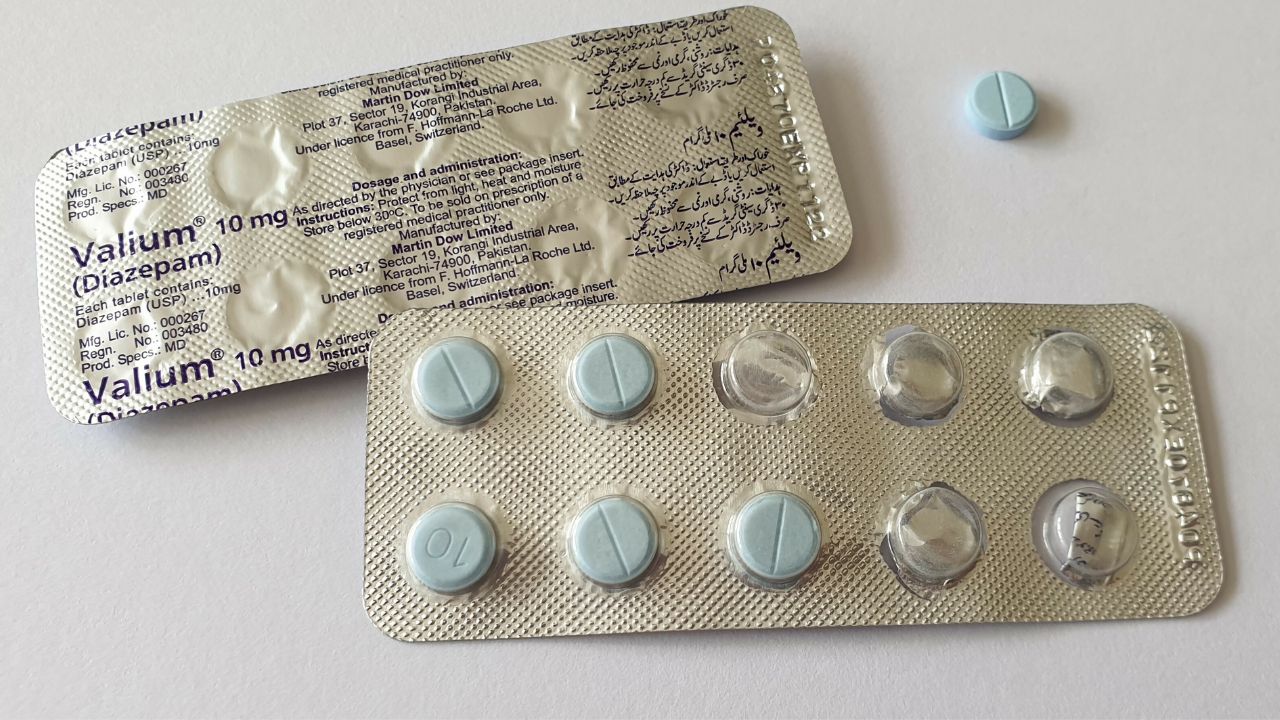
Is Valium Addictive?
Valium, the brand name for diazepam, is a benzodiazepine prescribed for anxiety, muscle spasms, alcohol withdrawal, and seizures. It can work well when a doctor manages it carefully. It also carries a real risk of dependence, and that risk shows up even in people who take it exactly as prescribed. If you’re asking whether Valium…
Read Article -
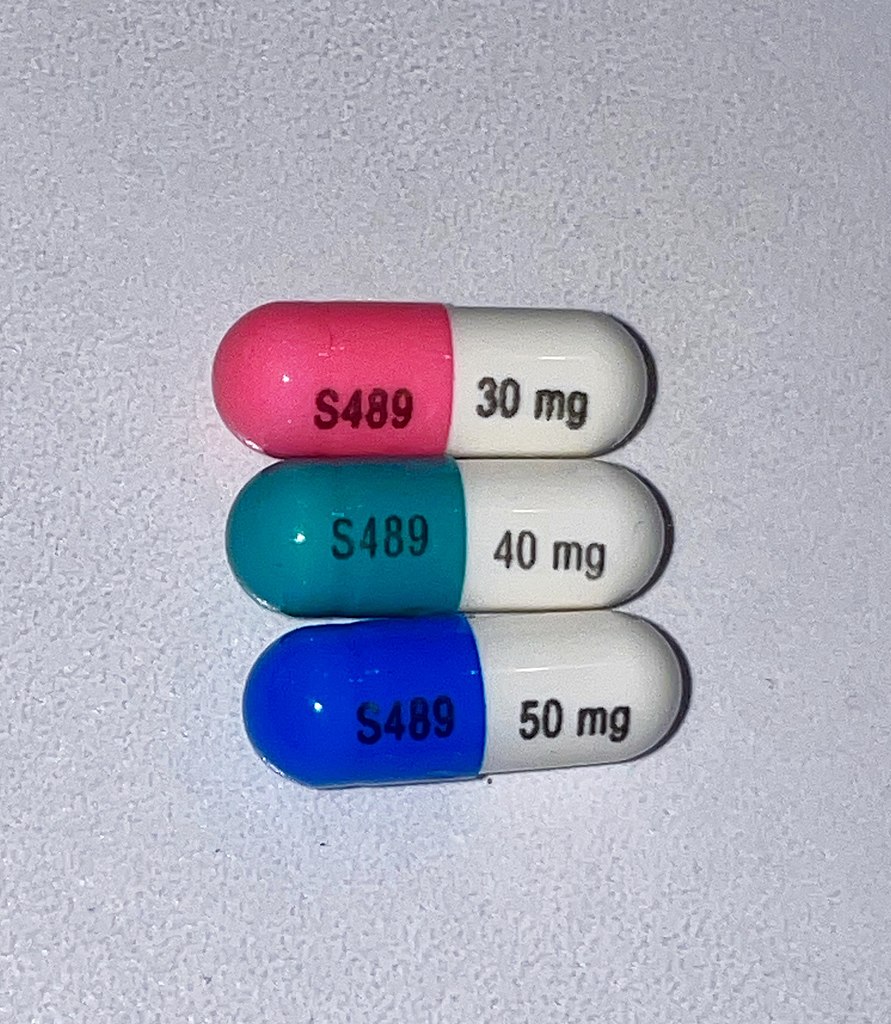
Is Vyvanse Addictive?
Vyvanse is prescribed for attention-deficit/hyperactivity disorder (ADHD) and moderate-to-severe binge eating disorder in adults, and a lot of people take it exactly as directed for years without trouble. The drug still carries real risk. The FDA classifies it as a Schedule II controlled substance, the same tier as cocaine and oxycodone, because it can be…
Read Article -
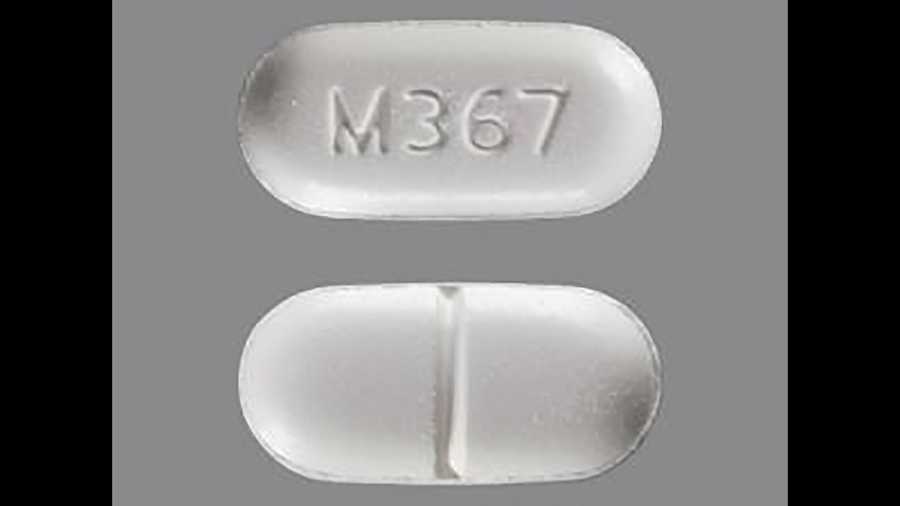
What Are M367 Pills?
If you’ve found a white, oblong pill stamped with “M367” in a medicine cabinet, a backpack, or a coat pocket, you’re probably trying to figure out what it is and whether you should worry. The short answer is yes, it’s worth a closer look. M367 is a prescription opioid, and opioids carry a real risk…
Read Article -

How Does Alcohol Affect Serotonin: Understanding the Relationship
Alcohol is a widely used substance that has a significant effect on the brain and its neurotransmitter systems. One of those systems is serotonin, often called the “feel-good” neurotransmitter. Here’s how alcohol affects serotonin levels, what that means for your mood and mental health in the short and long term, and why the relationship matters.…
Read Article -

Can Drugs Cause Mental Health Disorders?
Explore the intricate connection between drug use and mental health disorders. Understand how drugs can trigger or exacerbate mental health conditions, and the complex factors that contribute to this relationship.
Read Article -
5 Days Sober: What to Expect
Deciding to quit drinking is a hard decision, and one you should be proud of. Sobriety can improve your relationships, your health, and your sense of who you are. Like any big change, getting and staying sober takes time, and the withdrawal process can be uncomfortable along the way. That’s why we offer medically supervised…
Read Article -
Ambien Is Effective, but Is It Safe?
Insomnia is rarely a stand-alone problem. It is usually a symptom of something else, and it is remarkably common: up to half of adults experience insomnia symptoms at some point, and roughly 10 to 15 percent meet the criteria for chronic insomnia. Women are affected more often than men, a pattern researchers tie in part…
Read Article

Immediate, Confidential Guidance
Our admissions specialists are available 24/7 to provide clinical recommendations and verify your coverage. Your dignity and privacy are our highest priorities.