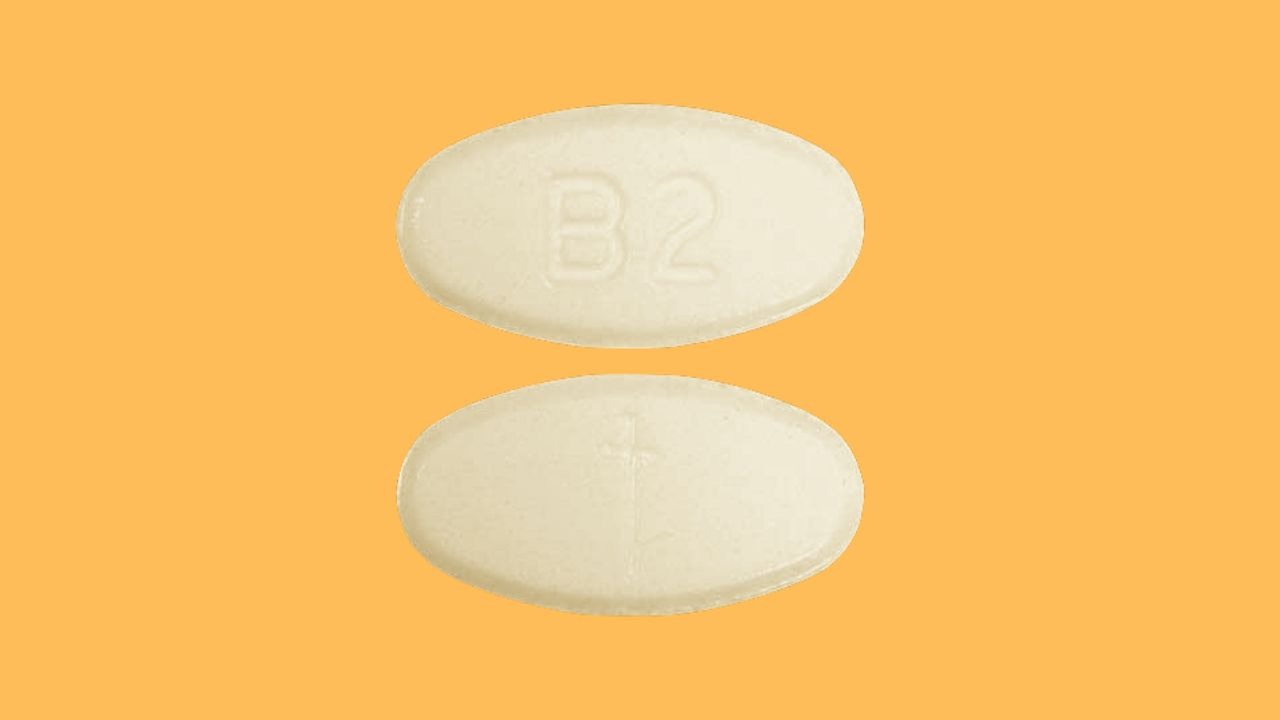
If a doctor has mentioned Subutex for someone you love, you’re probably trying to make sense of a medication you didn’t choose and didn’t expect. Subutex is a brand name for buprenorphine, a medication used to treat opioid use disorder. It’s one piece of an approach the federal government and major medical bodies consider evidence-based, and understanding what it does (and what it doesn’t do on its own) can help you ask better questions of the people providing care.
What Is Subutex?
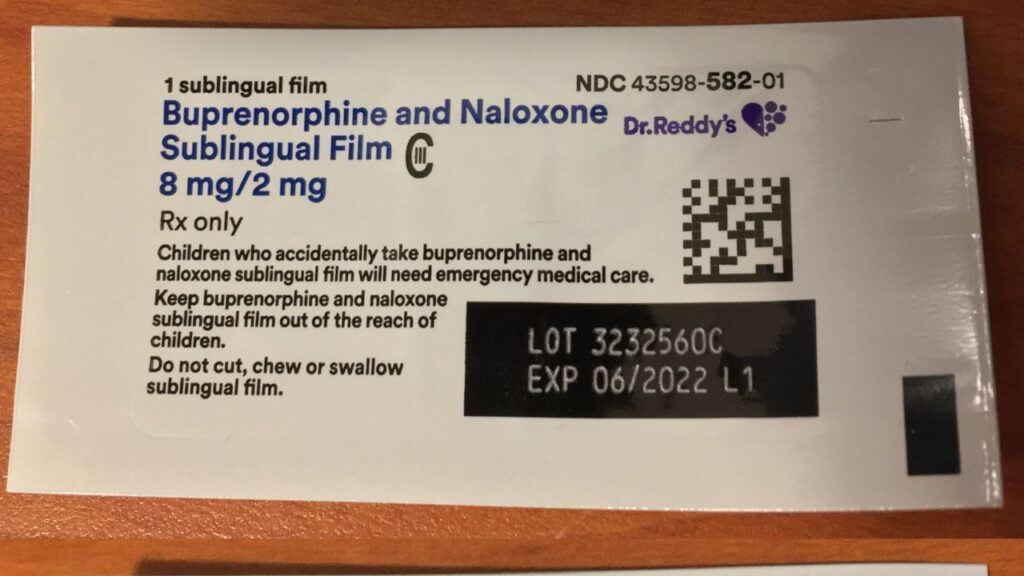
Subutex is a prescription form of buprenorphine, a partial opioid agonist prescribed for opioid use disorder. The U.S. Food and Drug Administration approved buprenorphine for this use in October 2002, and Subutex was one of the first sublingual tablets brought to market. The Subutex brand itself has since been discontinued in the United States. The medication didn’t go away, though. Generic buprenorphine tablets are still prescribed, and a combination of buprenorphine and naloxone (sold as Suboxone and in generic versions) is now the more common formulation. Many people still say “Subutex” when they mean buprenorphine generally.
The distinction that matters most is between a partial agonist and a full one. Methadone is a full opioid agonist. Buprenorphine is a partial agonist, which means it activates the same brain receptors as opioids like heroin or oxycodone but produces a weaker effect. According to the National Institute on Drug Abuse, that partial action is what makes buprenorphine useful in treatment: it can quiet withdrawal and cravings without producing the full high.
How Does Subutex Work?
Buprenorphine binds to the same opioid receptors as other opioids, but it has what clinicians call a ceiling effect. Past a certain dose, its opioid effects level off and don’t keep climbing. The Substance Abuse and Mental Health Services Administration explains that this ceiling lowers the risk of misuse, dependence, and the respiratory depression that drives most opioid overdose deaths.
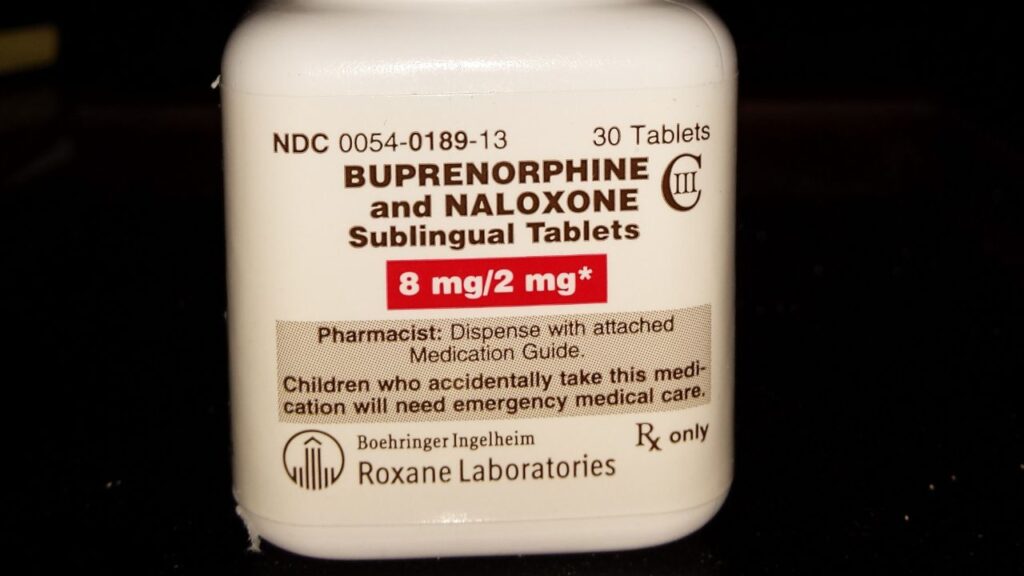
Taken as prescribed, buprenorphine suppresses withdrawal symptoms that often send people back to using before treatment can take hold. It also reduces cravings. When the constant pull toward opioids eases, a person has room to do the actual work of recovery: therapy, rebuilding routines, and addressing whatever the substance use was tangled up with in the first place. Medication that steadies the body buys time for the mind to heal.
Why Buprenorphine Is Considered Evidence-Based
Medication for opioid use disorder, sometimes called MOUD or medication-assisted treatment, is backed by decades of research. NIDA describes buprenorphine and methadone as treatments that reduce opioid use, lower the risk of fatal overdose, and help people stay in care. This isn’t trading one addiction for another, a worry families raise often and reasonably. Prescribed and monitored correctly, buprenorphine stabilizes brain chemistry rather than producing the cycle of intoxication that defines active addiction.
Access has also widened. For years, prescribers needed a special federal waiver, the so-called X-waiver, to offer buprenorphine. The Consolidated Appropriations Act of 2023 ended that requirement. As SAMHSA’s summary of the MAT Act notes, any clinician with a current DEA registration that includes Schedule III authority can now prescribe buprenorphine for opioid use disorder, subject to state law. More providers can offer it in more settings, from primary care to specialty programs.
What Subutex Can’t Do on Its Own
Buprenorphine has a lower misuse potential than full agonists, but it isn’t risk-free. It can still be diverted or misused, which is why the buprenorphine-naloxone combination exists. The naloxone deters injection, since it triggers withdrawal if the medication is misused that way. For someone with a long, heavy history of opioid use, buprenorphine alone may not fully control withdrawal, and a clinician might adjust the dose or consider methadone instead. Buprenorphine also interacts with alcohol, benzodiazepines, and some prescription medications, which is one reason it belongs under medical supervision rather than self-management.
The larger point is that medication treats the physiology of dependence. It doesn’t, by itself, resolve the depression, anxiety, trauma, or other mental health conditions that so often sit underneath a substance use disorder. That gap is where a lot of people relapse, and it’s where the right treatment setting makes the difference.
Where Subutex Fits in Dual Diagnosis Treatment
Destination Hope is a residential mental health treatment center, and we treat substance use as a co-occurring condition rather than the whole story. When someone arrives on buprenorphine or starts it with us, the medication is one part of a plan built around the person’s psychiatric health. A great many people who develop opioid dependence are also living with depression, anxiety, post-traumatic stress, or another condition that the opioids were quietly managing. Treat the addiction and leave the mental illness untouched, and the foundation stays unstable.
Our psychiatrist-led team builds care around that whole picture. Treatment can include:
- On-site medical detox in a supervised setting before and during medication management.
- Evidence-based therapy, including CBT and DBT, to address the thoughts and patterns that feed both addiction and underlying mental illness.
- A family program that helps loved ones rebuild trust and learn how to support recovery at home.
- Integrated dual diagnosis care that treats the psychiatric condition and the substance use disorder at the same time, never one at the expense of the other.
Medication like buprenorphine can steady the ground. The work of staying well is built on top of it, and that work goes better when someone’s mental health is treated as the primary concern it usually is.
Getting Help for a Loved One
If you’ve been watching someone you love cycle through opioid use and the mental health struggles tangled up with it, you don’t have to figure out the next step alone. Our admissions team can talk through what buprenorphine treatment looks like inside a residential mental health program and whether Destination Hope is the right fit. Learn more about our mental health treatment or call our admissions team at (954) 302-4269. We’re available 24/7.
Crisis and Emergency Resources
If you or someone you know is in a substance use or mental health crisis, help is available now. Contact the SAMHSA National Helpline at 1-800-662-HELP (4357) for free, confidential treatment referrals 24/7. Reach the 988 Suicide and Crisis Lifeline by calling or texting 988. The Crisis Text Line is available by texting HOME to 741741. For emergencies, call 911.