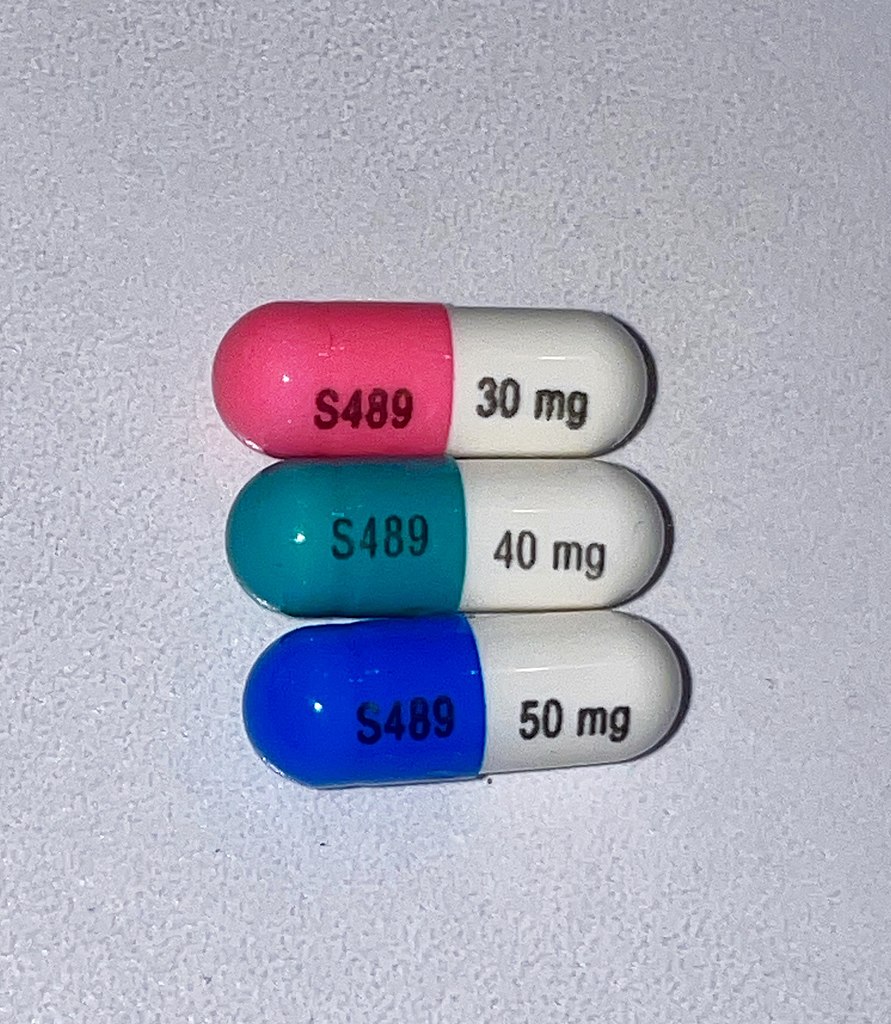
Vyvanse is prescribed for attention-deficit/hyperactivity disorder (ADHD) and moderate-to-severe binge eating disorder in adults, and a lot of people take it exactly as directed for years without trouble. The drug still carries real risk. The FDA classifies it as a Schedule II controlled substance, the same tier as cocaine and oxycodone, because it can be misused and can lead to a substance use disorder. So the short answer to whether Vyvanse is addictive is yes, it can be. What matters more is the fuller picture: who’s at risk, what misuse looks like, and what’s often driving it underneath.
What Is Vyvanse?
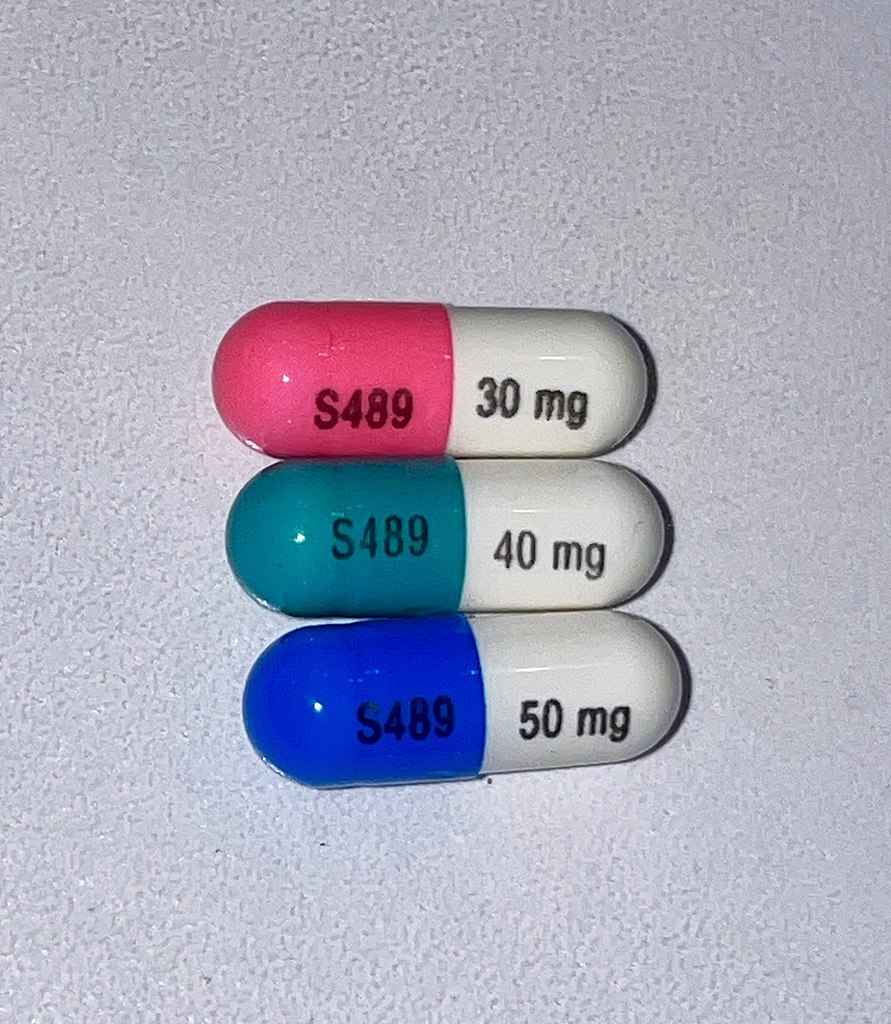
Vyvanse is the brand name for lisdexamfetamine dimesylate, a central nervous system stimulant first approved in the United States in 2007. According to the FDA prescribing information on DailyMed, it’s a prodrug, which means it’s inactive when swallowed and only becomes active after the body converts it to dextroamphetamine. That conversion takes an enzyme reaction in the blood, so the active drug rises more slowly than it does with immediate-release amphetamine. The design was meant to lower the appeal of crushing, snorting, or injecting the pill.
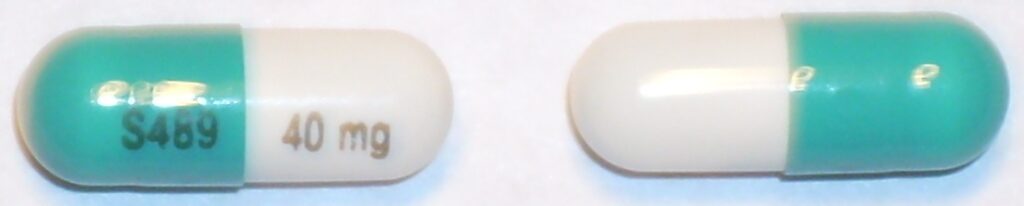
Once it’s active, the drug raises dopamine and norepinephrine in the brain, which sharpens focus and impulse control for people with ADHD. Stimulants do this in much the same way cocaine and methamphetamine do, by driving up dopamine, which is part of why even a prescription version carries abuse potential. The slower-rise prodrug formula reduces that potential. It doesn’t erase it.
Why Is Vyvanse a Controlled Substance?
The FDA places Vyvanse under a Boxed Warning, the agency’s most serious caution. The label states that CNS stimulants, including Vyvanse, have a high potential for abuse and misuse, which can lead to the development of a substance use disorder, including addiction. That’s not a footnote. It’s the first thing the prescribing information tells a doctor.
Misuse usually means taking more than prescribed, taking it more often, using someone else’s prescription, or taking it to get high rather than to treat a condition. Some people chew, snort, or inject stimulants to speed up the effect, and the FDA label warns that those routes raise the risk of overdose and death. College and high-school settings see a particular pattern, where students take stimulants they weren’t prescribed to study longer or stay awake.
Signs of Vyvanse Misuse and Dependence
Using stimulants outside how they’re prescribed can produce a range of effects the FDA documents on the label, including:
- Increased heart rate, blood pressure, and body temperature
- Insomnia and decreased appetite
- Anxiety, restlessness, and agitation
- Tremors and loss of coordination
- Paranoia, hallucinations, or stimulant-induced psychosis
- Serious cardiovascular events, including in people with existing heart conditions
- Significant weight loss with sustained misuse
Over time, regular use can build tolerance, where the old dose stops working and a person needs more for the same effect. That can shade into physical dependence. The warning signs of a developing problem tend to be behavioral as much as physical: taking larger or more frequent doses than prescribed, spending real time and energy getting and using the drug, letting work, school, or home responsibilities slide, and continuing to use despite clear harm. People who try to stop abruptly often hit a withdrawal stretch that the SAMHSA Treatment Improvement Protocol on stimulant use disorders describes as fatigue, depressed mood, and disrupted sleep. That crash is one reason quitting cold turkey rarely sticks, and one reason it can be dangerous to do alone.
What’s Often Underneath Stimulant Misuse
Here’s the part that gets missed when the conversation stops at the pill. Stimulant misuse rarely travels alone. The depressed mood that shows up in withdrawal can be the surface of an untreated depression. The drive to take more can be tangled up with anxiety, trauma, or an eating disorder the drug was quietly suppressing. And for someone with ADHD, the line between treatment and misuse can blur fast when a co-occurring mental health condition goes unaddressed.
That’s the gap Destination Hope was built for. We’re a residential mental health treatment center, psychiatrist-led, that treats the psychiatric condition as the primary diagnosis and the substance use alongside it when both are present. A program that treats the Vyvanse and ignores the depression underneath it tends to set someone up for the same crash later. Dual diagnosis care means a clinical team works the mental illness and the substance use at the same time, not in sequence, because pulling them apart usually doesn’t hold.
Getting Help for Vyvanse and a Co-Occurring Condition
If you’ve watched someone you love change on this drug, or you’re the one quietly worried about your own use, the safest path forward starts with a clinical evaluation rather than a sudden stop. Because the withdrawal can drop mood hard, supervised medical detox matters, and so does what comes after it. At Destination Hope in Fort Lauderdale, our Masters-level-and-above clinical team builds an individualized plan that addresses the stimulant use and the depression, anxiety, trauma, or eating disorder it’s often sitting on top of, using evidence-based therapies like CBT and DBT with psychiatric medication management.
You don’t have to sort out whether this is “addiction” or “a mental health thing” before you reach out. That’s what the evaluation is for. Our addiction treatment program runs inside a primary psychiatric setting, so the whole picture gets seen. To talk through options or start the process, reach our admissions team any time at (954) 302-4269, or learn what the first steps look like on our admissions page.
Crisis and Emergency Resources
If you or someone you know is in a substance use or mental health crisis, help is available now. Contact the SAMHSA National Helpline at 1-800-662-HELP (4357) for free, confidential treatment referrals 24/7. Reach the 988 Suicide and Crisis Lifeline by calling or texting 988. The Crisis Text Line is available by texting HOME to 741741. For emergencies, call 911.