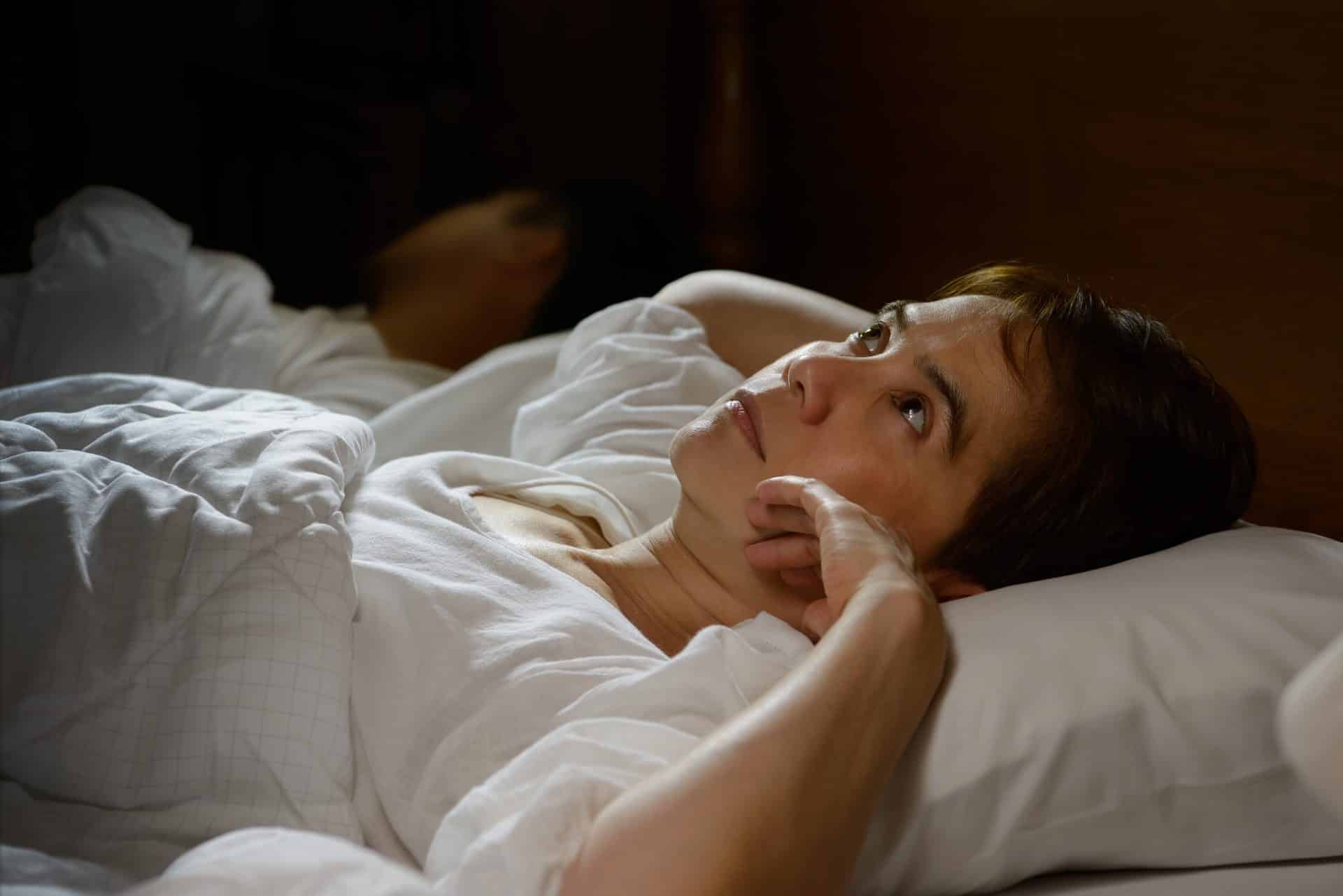
It’s the question almost everyone asks at the first appointment, and it’s a fair one. You want a finish line. You want to know that if you do the work, take the medication, and show up to therapy, the anxiety goes away and stays gone. The honest answer from the research is more useful than a yes or a no: anxiety is highly treatable, and many people reach a point where it no longer runs their life. Clinicians describe that outcome as remission and long-term management, not a permanent cure. The distinction matters, because it changes what you aim for and how you measure progress.
Anxiety disorders are the most common mental health conditions in the country. The National Institute of Mental Health estimates that about 31% of U.S. adults experience an anxiety disorder at some point in their lives, and roughly 19% in any given year. So if you’re asking whether you can be free of it, you’re in very large company, and the treatments that help have decades of evidence behind them.
Why Anxiety Is Managed Rather Than Cured
Anxiety isn’t a single switch you can turn off. It grows out of a mix of genetics, brain chemistry, life experience, and learned patterns of thinking, and those factors don’t disappear. What treatment does is change your relationship to the fear response so it stops hijacking your days. According to the Cleveland Clinic, anxiety disorders are among the most treatable mental health conditions, and most people who get treatment see meaningful improvement. The realistic goal is symptoms that are quiet enough, and tools reliable enough, that anxiety no longer dictates where you go or what you avoid.
That framing isn’t a downgrade. People in remission often go years feeling like themselves. Some need occasional tune-ups during high-stress stretches. Others taper off treatment entirely and stay well. The word “cure” sets you up to read any return of anxiety as failure, when a flare-up is usually just a signal to use the skills you already built.
What Actually Works for Anxiety
The strongest evidence points to two pillars, often used together. Cognitive behavioral therapy teaches you to catch the distorted thoughts that fuel anxiety and to face feared situations gradually through exposure, so your nervous system learns the threat isn’t what it predicted. SSRIs, the first-line medication class for anxiety, adjust how your brain regulates serotonin and lower the baseline intensity of the symptoms. Reviews of the research consistently find that combining therapy with medication outperforms either one alone for many people, which is why a real treatment plan rarely relies on a single tool.
A note on the fast-acting medications. Benzodiazepines can quiet acute anxiety within minutes, and they have a place in short-term care. Both NIMH and the Cleveland Clinic caution against using them long term, because tolerance and physical dependence can develop, and stopping them abruptly is dangerous. If anxiety is severe enough that you’re leaning on something just to get through the day, that’s a reason to get a full evaluation, not to white-knuckle it alone.
Daily habits genuinely move the needle too. Regular exercise, steady sleep, limiting caffeine and alcohol, and practices like paced breathing and mindfulness all reduce symptom intensity. They won’t replace treatment for a moderate or severe disorder, but they make every other intervention work better.
When Anxiety Travels With Other Conditions
Anxiety rarely shows up by itself. It frequently overlaps with depression, trauma, and substance use, and that overlap is one of the biggest reasons people feel stuck after rounds of treatment that addressed only part of the picture. When someone has been drinking or using to manage a panic that never got named, treating the substance use without treating the anxiety tends to fail, and so does the reverse.
This is where the level of care matters. For anxiety that responds to weekly therapy and a stable medication, outpatient treatment is the right fit. When anxiety has become disabling, when it’s tangled with another diagnosis, or when outpatient care keeps falling short, a more intensive setting can break the cycle. Destination Hope is a residential mental health program where anxiety is treated as a primary condition, with a psychiatrist-led team and a clinical staff at the Masters level and above. If a co-occurring substance use disorder is in the picture, our dual diagnosis program treats both at the same time instead of sending you to two places that never talk to each other.
What Realistic Recovery Looks Like
Recovery from anxiety usually looks like getting your range back. Saying yes to the dinner you would have skipped. Sleeping through the night. Noticing a worry, recognizing it, and letting it pass without it swallowing the afternoon. The outcome studies are genuinely encouraging here: most people who stay in treatment improve, and a large share reach remission. Whether your anxiety is ever “gone” forever matters less than whether you have a life you can live and a plan for the days it flares. That’s the outcome treatment is built to deliver, and it’s well within reach.
If anxiety has narrowed your world or someone you love is disappearing into it, you don’t have to figure out the next step alone. Our team can walk you through anxiety treatment options and what care at our level looks like. To talk with someone today, reach Destination Hope at (954) 302-4269 or start the conversation through our admissions team.
Crisis and Emergency Resources
If you or someone you know is in a substance use or mental health crisis, help is available now. Contact the SAMHSA National Helpline at 1-800-662-HELP (4357) for free, confidential treatment referrals 24/7. Reach the 988 Suicide and Crisis Lifeline by calling or texting 988. The Crisis Text Line is available by texting HOME to 741741. For emergencies, call 911.