
When mental health symptoms feel too big to manage at home, inpatient mental health treatment can provide a safe, structured place to stabilize and start healing. Inpatient care offers 24/7 support, daily clinical programming, and a focused environment that helps many people reset when outpatient therapy is not enough. Destination Hope serves Fort Lauderdale and the greater South Florida region from Tamarac, Florida, with a full continuum that includes inpatient (residential) mental health treatment and step-down options.
If you or someone you love is in immediate danger, call 911. If you need urgent support for suicidal thoughts, self-harm, or a mental health crisis, call or text 988 for the Suicide and Crisis Lifeline. If you are ready to talk with an admissions specialist at Destination Hope, you can reach the team 24/7 at (954) 302-4269 or start online through the Contact Us page.
Overview: What Inpatient Mental Health Treatment Means
Inpatient mental health treatment is a level of care designed for people who need more structure and support than weekly therapy or medication check-ins can provide. In most settings, inpatient means you live onsite and follow a daily schedule of therapy, psychiatric care, and recovery-focused activities. The goal is not just to “get through the day,” but to reduce symptoms, improve safety, and build skills you can use outside of treatment.
People use the term “inpatient” in two common ways. Hospital-based inpatient psychiatric care is typically short-term and focused on immediate stabilization during acute risk, like severe suicidal intent, psychosis, or medical danger. Residential inpatient programs, like inpatient (residential) mental health treatment at Destination Hope, provide 24/7 support in a treatment center environment and often allow more time for therapy, skills-building, and planning for next steps.
That difference matters when you are comparing options in Fort Lauderdale, Broward County, and across South Florida. If someone is medically unstable or at immediate risk, a hospital emergency department may be the right first step. If symptoms are severe but not an immediate medical emergency, residential inpatient care can be a strong next step that combines structure with deeper clinical work.
Who Inpatient Mental Health Treatment Helps
Inpatient mental health treatment can help when symptoms interfere with daily functioning, relationships, work, or basic self-care. Many people seek residential inpatient support when depression, anxiety, trauma symptoms, or mood instability keep repeating despite outpatient therapy. Others choose inpatient care when a mental health condition overlaps with alcohol or drug use and needs an integrated approach.
At Destination Hope, inpatient mental health care can support a wide range of concerns, including anxiety and panic, depression, trauma-related symptoms, and co-occurring substance use. The center also offers specialized programming through its Programs menu, including Dual Diagnosis, Trauma Resolution Therapy, and Medication Management.
Signs It May Be Time to Consider Inpatient Care
There is no single “right” reason to choose inpatient treatment, but certain patterns can signal that you need more support right now. If your symptoms keep escalating, if you feel stuck in a cycle, or if safety feels harder to maintain at home, a higher level of care may help. In South Florida, many people also seek inpatient treatment when the stress of work, family responsibilities, or isolation makes it difficult to recover in the same environment where symptoms intensified.
- You have thoughts of suicide or self-harm, or you feel unsure you can stay safe at home.
- You cannot keep up with daily responsibilities because symptoms are overwhelming.
- Panic attacks, intrusive thoughts, or trauma symptoms disrupt sleep, appetite, or basic routines.
- Depression causes withdrawal, hopelessness, or loss of functioning that is not improving.
- Mood swings, agitation, or impulsivity increase conflict or risky behavior.
- Alcohol or drug use complicates mental health and makes progress in outpatient care harder.
If any of these points sound familiar, it does not mean you have failed. It often means your needs have changed, and you deserve a level of support that matches what you are carrying.
What to Expect From Inpatient Mental Health Treatment
Most inpatient admissions start with a conversation and a screening. At Destination Hope, the admissions process is designed to clarify what you are experiencing, explain program options, and review financial and insurance details before you arrive. This step helps reduce uncertainty, which can be a big barrier when you already feel exhausted or anxious.
Once you arrive, the clinical team typically completes a comprehensive assessment. That includes a review of symptoms, mental health history, medication history, and any substance use concerns. From there, the team builds a treatment plan that matches your needs and goals, including therapy approaches, psychiatric care, and a plan for family involvement when appropriate.
In residential inpatient care, structure becomes part of the treatment. Most days include a mix of group therapy, individual sessions, skills-building, and supportive activities that reinforce stability. If you want a more detailed picture of the daily rhythm, Destination Hope provides an overview on the What To Expect page.
Core Clinical Elements in Effective Inpatient Care
Quality inpatient mental health treatment addresses the full picture, not just one symptom. That usually includes psychiatric evaluation, evidence-based therapy, and support for sleep, nutrition, and stress regulation. The best programs also plan for what happens next, since inpatient care is one phase of recovery, not the finish line.
At Destination Hope, inpatient (residential) mental health treatment includes structured therapy and psychiatric support, with programming that can incorporate family involvement and therapeutic activities. People also have access to integrated services through programs like Family Program, wellness-focused support, and trauma-informed care. You can learn more about the center’s guiding philosophy on the Our Approach page.
Medication can also play an important role, especially when symptoms affect sleep, appetite, concentration, or safety. Medication is not a shortcut and it is not a moral failing. It is one tool among many, and it often works best when paired with therapy and skills practice, as outlined in the Medication Management program.
Detox and Withdrawal: A Safety Note
Some people enter inpatient mental health treatment with co-occurring alcohol or drug use, even if mental health symptoms are the primary concern. In those cases, withdrawal risk can affect safety and treatment planning. Alcohol withdrawal and some drug withdrawals can be medically dangerous, so you should not stop abruptly without medical guidance if physical dependence is possible.
Destination Hope’s admissions team can help determine the safest starting point and coordinate next steps when detox is necessary. The goal is always to stabilize safely first, then step into the level of care that best supports mental health recovery.
Length of Care and the Continuum After Inpatient Treatment
Length of stay varies based on symptoms, safety needs, and progress. Many residential inpatient mental health programs last from about a week to several weeks, with longer stays sometimes recommended depending on complexity and stability. What matters most is whether you leave with improved safety, stronger coping tools, and a clear plan for continued care.
Step-down care helps protect progress after inpatient treatment. Destination Hope offers a mental health continuum that includes a Partial Hospitalization Program (PHP) and Intensive Outpatient Treatment (IOP). PHP usually provides a full day of structured support on weekdays while allowing more independence than residential care. IOP provides fewer hours per week and can be a strong bridge back to work, school, and home life in Fort Lauderdale and surrounding South Florida communities.
Long-term recovery also benefits from ongoing support systems. Destination Hope shares additional resources and education through its Resources hub and tracks care quality through its Outcomes Assessment approach.
Insurance and Costs for Inpatient Mental Health Treatment in Florida
Cost is a common concern for families across Florida, and it should never stop you from asking questions. Coverage depends on your plan type, medical necessity criteria, network status, and the level of care recommended. Many people start by confirming benefits, then discussing expected out-of-pocket costs and payment options before admission.
Destination Hope offers a fast path to get clarity through its Insurance Verification form. The admissions team can explain what your plan may cover and what to expect next. You can also review practical guidance on costs through How Can I Pay for Addiction Treatment or Mental Health Care? and Understanding Treatment Costs and Insurance Coverage.
If you are insured through an employer plan, federal mental health parity rules may apply, which can affect how plans cover mental health and substance use disorder treatment. If you have questions about denials, medical necessity standards, or how your plan defines covered services, you can request plan documents and appeal when appropriate. Florida residents can also review consumer guidance through state and federal resources listed below in the Sources section.
Aftercare and Local Resources in Fort Lauderdale and South Florida
Strong inpatient care always includes discharge planning. That plan should address therapy follow-up, medication management, relapse prevention if substance use is involved, and practical supports like transportation, work leave planning, and family communication. In South Florida, many people also benefit from peer support communities that reduce isolation and reinforce daily structure.
If you need crisis support in Florida, you can call or text 988. You can also call 2-1-1 in many areas to connect with local crisis and community resource navigation, including Florida Mobile Response Teams in some situations. For treatment referrals and information, SAMHSA’s National Helpline is available at 1-800-662-HELP (4357).
Peer support can also help after inpatient treatment. Many people find ongoing encouragement through groups like Alcoholics Anonymous, Narcotics Anonymous, or SMART Recovery, depending on personal fit and goals. Families can also benefit from education and support resources that help reduce conflict and improve long-term stability.
A Quality Checklist When Comparing Inpatient Programs
When you compare inpatient mental health treatment options in Fort Lauderdale, Broward County, or elsewhere in Florida, focus on quality and fit. A good program should be transparent about clinical staffing, safety policies, and how it measures outcomes. It should also explain how it handles co-occurring disorders and what happens after discharge.
- Licensing and accreditation that matches the services provided.
- Evidence-based therapy and psychiatric support, not just “supportive counseling.”
- Clear safety planning, including crisis protocols and discharge planning.
- Integrated care for trauma and co-occurring substance use when present.
- Family involvement options and communication expectations.
- Outcomes tracking and continuous quality improvement.
Destination Hope outlines its standards and credentials on the Licensing and Accreditation page and shares its quality focus through Outcomes Assessment.
Why Choose Destination Hope for Inpatient Mental Health Treatment
Choosing a program is personal, and you should feel respected from the first call. Destination Hope provides inpatient (residential) mental health treatment near Fort Lauderdale with a continuum that includes PHP and IOP, which can support smoother transitions back to daily life in South Florida. The center emphasizes comprehensive dual diagnosis care, trauma-informed therapy, and family involvement when appropriate, as described on Why Choose Destination Hope.
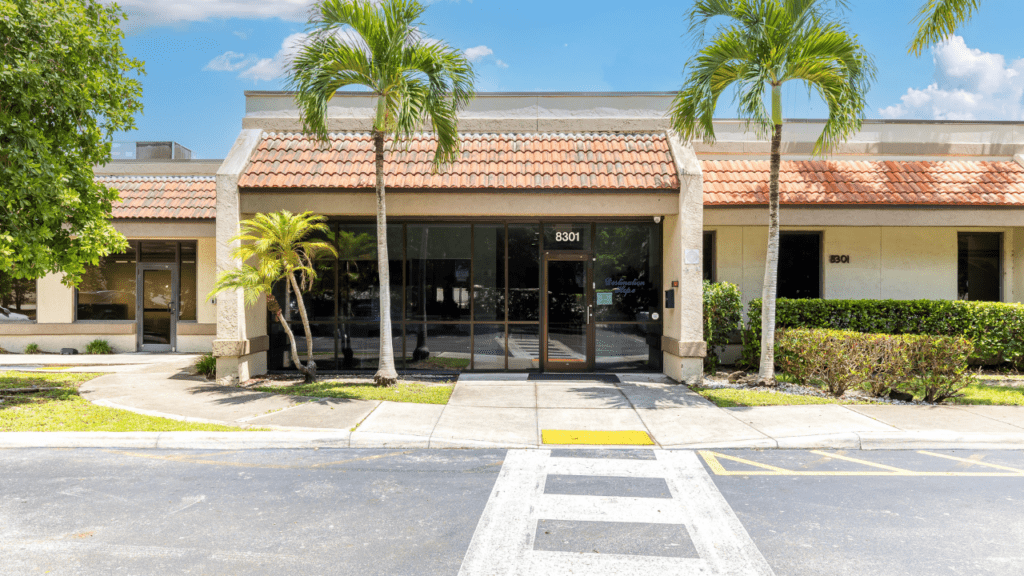
Environment matters, too. Destination Hope’s facilities are designed to support healing and daily structure, with wellness opportunities that complement clinical care. You can learn more about the setting on the Our Facilities page.
If you are considering inpatient mental health treatment in Fort Lauderdale or anywhere in Florida, it helps to speak with a team that can walk through options without pressure. The Destination Hope admissions team can help you understand level-of-care recommendations, coordinate logistics, and verify insurance benefits.
How to Start Inpatient Mental Health Treatment
The first step is a conversation. You can call Destination Hope to speak with an admissions coordinator 24/7, or you can start online, through the Contact Us page. If insurance is part of your plan, you can also begin with the Insurance Verification form to get clarity on benefits.
If you are unsure whether inpatient care is the right fit, ask about a clinical assessment and what level of care the team recommends. Many people feel relief simply from having a clear plan and a next step. If the situation is urgent or unsafe, call 911 or contact 988 right away.
Sources and Further Reading
988 Suicide and Crisis Lifeline
SAMHSA National Helpline (1-800-662-HELP)
FindTreatment.gov (SAMHSA Treatment Locator)
National Institute of Mental Health: Treatments and Therapies
U.S. Department of Labor: Mental Health Parity Disclosure Guide
Florida DCF: Baker Act Information
Florida DCF: Mobile Response Teams
Florida 211
Florida AHCA: Community Behavioral Health Services (Medicaid)
Alcoholics Anonymous: Find AA
Narcotics Anonymous: Meeting Search
SMART Recovery: Meeting Finder
