Residential treatment is a live-in level of care where a woman lives at the facility and receives structured clinical support every day. For mental health conditions that outpatient care hasn’t been able to stabilize, that round-the-clock structure is often what makes recovery possible. At Destination Hope, our women’s residential program treats serious psychiatric conditions as the primary focus, with co-occurring substance use addressed at the same time when it’s part of the picture.
This matters most for the women who fall through a familiar gap. A 72-hour psychiatric hold stabilizes a crisis, then discharges someone who’s still not well. A standard rehab won’t accept active suicidal ideation or psychotic features. Our residential treatment program is built for exactly that middle ground: high-acuity psychiatric care with the clinical depth of a long-term program.
What Does a Women’s Residential Program Treat?
Our residential program for women centers on primary mental health: depression, anxiety, bipolar disorder, PTSD and complex trauma, and severe mood and thought disorders. When a substance use disorder is present alongside one of these conditions, that’s dual diagnosis, and we treat both fully and at the same time. The mental health condition is never pushed to the background. According to the Substance Abuse and Mental Health Services Administration, integrated treatment that addresses mental illness and substance use together leads to better outcomes than treating either condition alone.
Care is gender-specific by design. A women’s program lets clinicians focus on the patterns that show up differently for women, including trauma histories, the relationship between mood disorders and reproductive health, and the way caregiving roles can delay someone from seeking help until a crisis forces it.
What Qualifies a Woman for Residential Treatment?
Residential is the most intensive level of care we offer, so it fits women whose symptoms have made daily life unmanageable and whom outpatient treatment hasn’t been able to hold. That includes someone leaving an inpatient hospital who needs continued structure, and someone who has tried less intensive care without lasting stability.
Length of stay is set by clinical need rather than a fixed package, and typically runs 30 to 90 days. Throughout, women have 24-hour supervision and on-site medical support. Many arrive after completing detox, which is one reason our clinical staff is available around the clock to help them settle in and tend to whatever they need.
How Therapy Works in Residential Care
Treatment is built around individual therapy, group therapy, and family work. Individual sessions are where a woman and her clinician build the relationship that gets to the root of what she’s carrying. Our clinical team is staffed at a Masters level and above and works from evidence-based methods including cognitive behavioral therapy and dialectical behavior therapy.
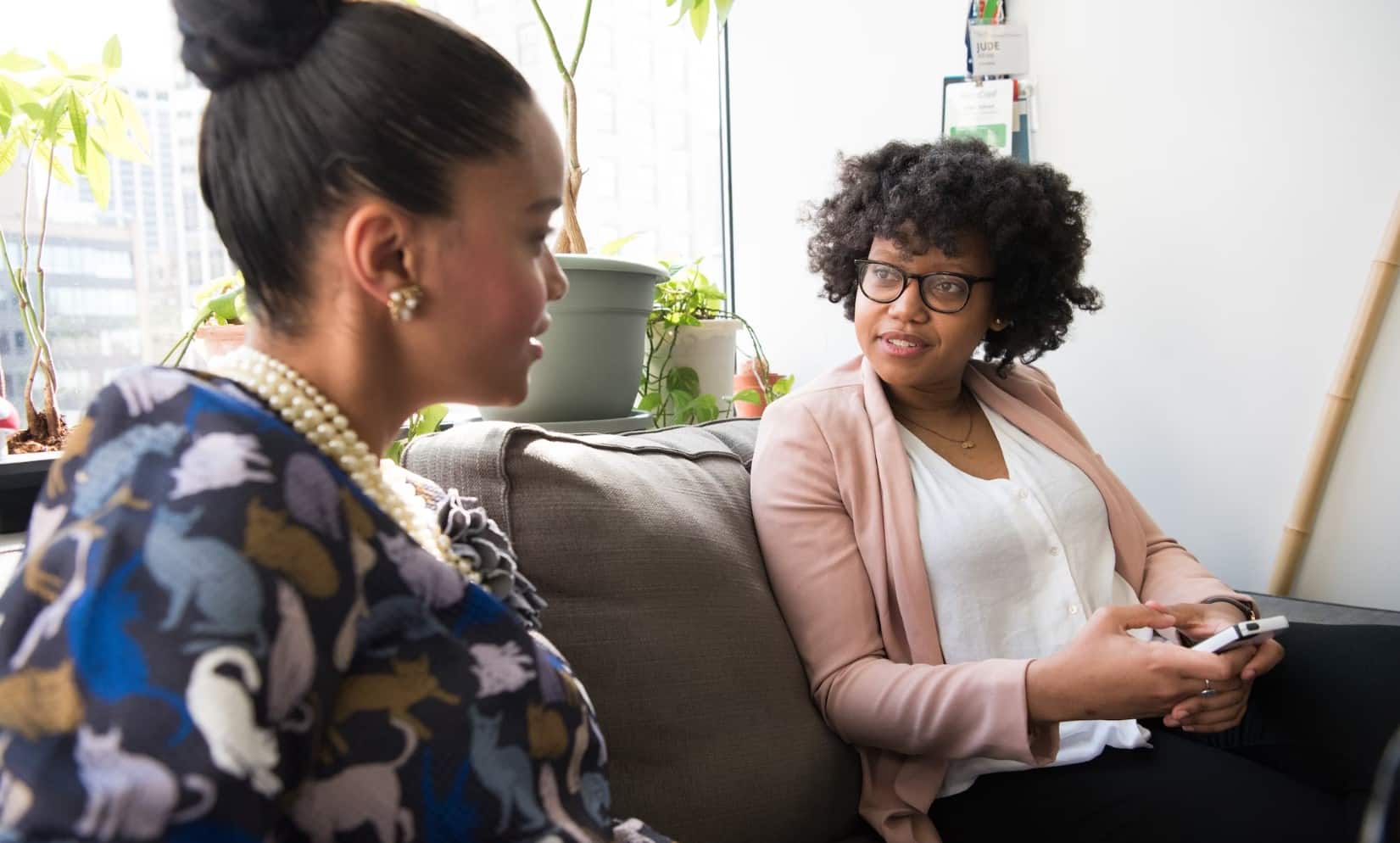
Group therapy does something individual work can’t. Hearing other women describe the same thoughts dismantles the belief that “no one could possibly understand what I’m going through.” That recognition is often the first real opening toward trusting the process.
Family therapy rounds it out. Recovery is steadier when the people closest to a woman understand her diagnosis and how to support it. We bring family in regularly to educate them and to make sure they’re part of the plan when she steps down to a lower level of care.
A Continuum, Not a Single Stop
Residential is one stage in a full continuum. As a woman stabilizes, she can step down through partial hospitalization, intensive outpatient, and extended care, so progress isn’t lost at discharge. Destination Hope has been Joint Commission accredited since 2006 and is licensed by Florida’s Department of Children and Families and the Agency for Health Care Administration. If you want to know more about who provides the care, you can read about our clinical team.
If you’ve watched a woman you love disappear into her diagnosis, you don’t have to keep managing the free fall alone. Our admissions team can walk you through what residential treatment looks like and whether it fits. Call us at (954) 302-4269 to talk with someone today.
Crisis and Emergency Resources
If you or someone you know is in a substance use or mental health crisis, help is available now. Contact the SAMHSA National Helpline at 1-800-662-HELP (4357) for free, confidential treatment referrals 24/7. Reach the 988 Suicide and Crisis Lifeline by calling or texting 988. The Crisis Text Line is available by texting HOME to 741741. For emergencies, call 911.