For many women, anxiety comes first. The racing thoughts, the dread that never quite lifts, the nights spent bracing for a catastrophe that hasn’t happened yet. Substance use often follows, not as a separate problem but as an attempt to quiet a mind that won’t slow down. When the two appear together, they form a co-occurring condition, and treating one while ignoring the other rarely works. Lasting recovery depends on addressing the anxiety and the substance use at the same time, as parts of the same clinical picture.
Why Anxiety and Substance Use Co-Occur in Women
Anxiety disorders are the most common mental health conditions in the United States, and women are affected at roughly twice the rate of men. National data show this gap across the major anxiety disorders: generalized anxiety, panic disorder, and social anxiety are all more prevalent among women. When a substance use disorder enters the picture, it is usually layered on top of a mental health condition that was already there. This is what clinicians call a dual diagnosis: a substance use disorder alongside at least one other mental health condition, such as anxiety, depression, or bipolar disorder.
The relationship runs in both directions, and it is not always clear which condition came first. For some women, anxiety arrives first, and alcohol or other substances become a way to cope with symptoms that feel unmanageable. For others, the chaos and stress of active substance use deepen anxiety until it becomes a full anxiety disorder in its own right. Either way, the two feed each other. That is why treating the substance use alone, without addressing the anxiety underneath it, so often ends in relapse.
Treating Both Conditions Together
Effective care treats anxiety and substance use simultaneously rather than in sequence. When only the substance use is addressed, untreated anxiety keeps working against recovery, driving the very cravings and stress that make staying well so hard. A program equipped for dual diagnosis evaluates the whole person, identifies how the two conditions interact, and builds a plan that holds both.
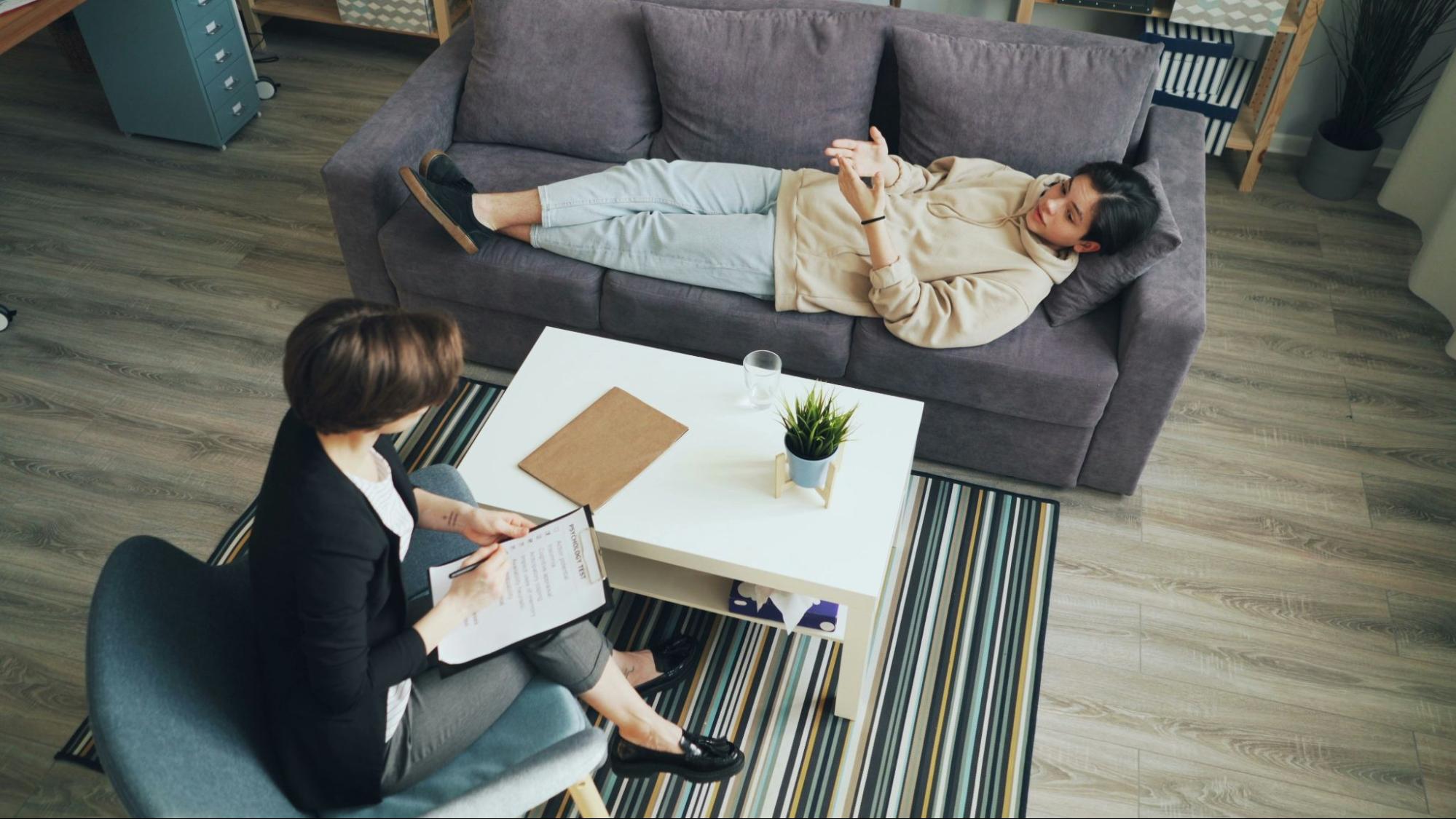
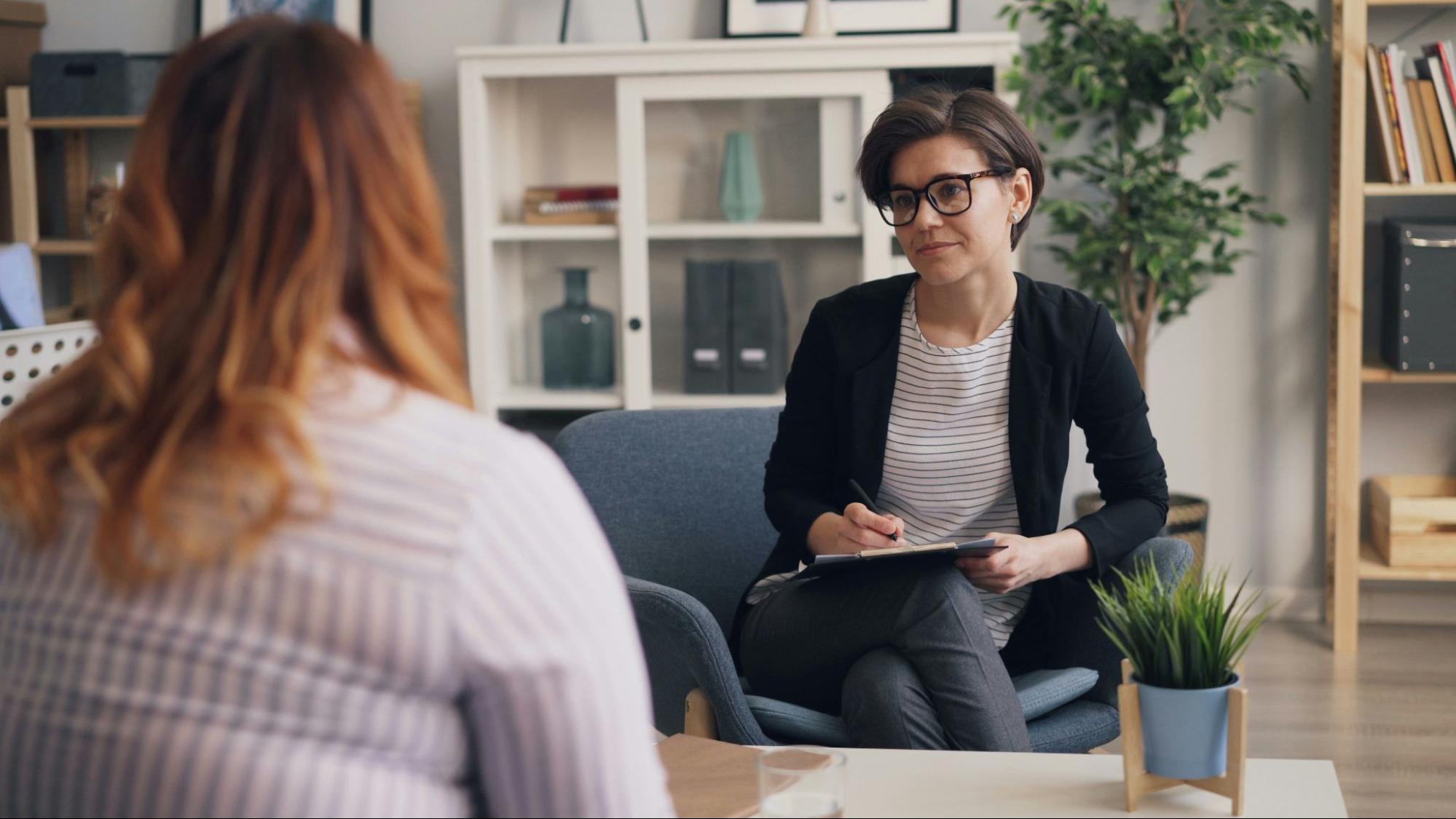
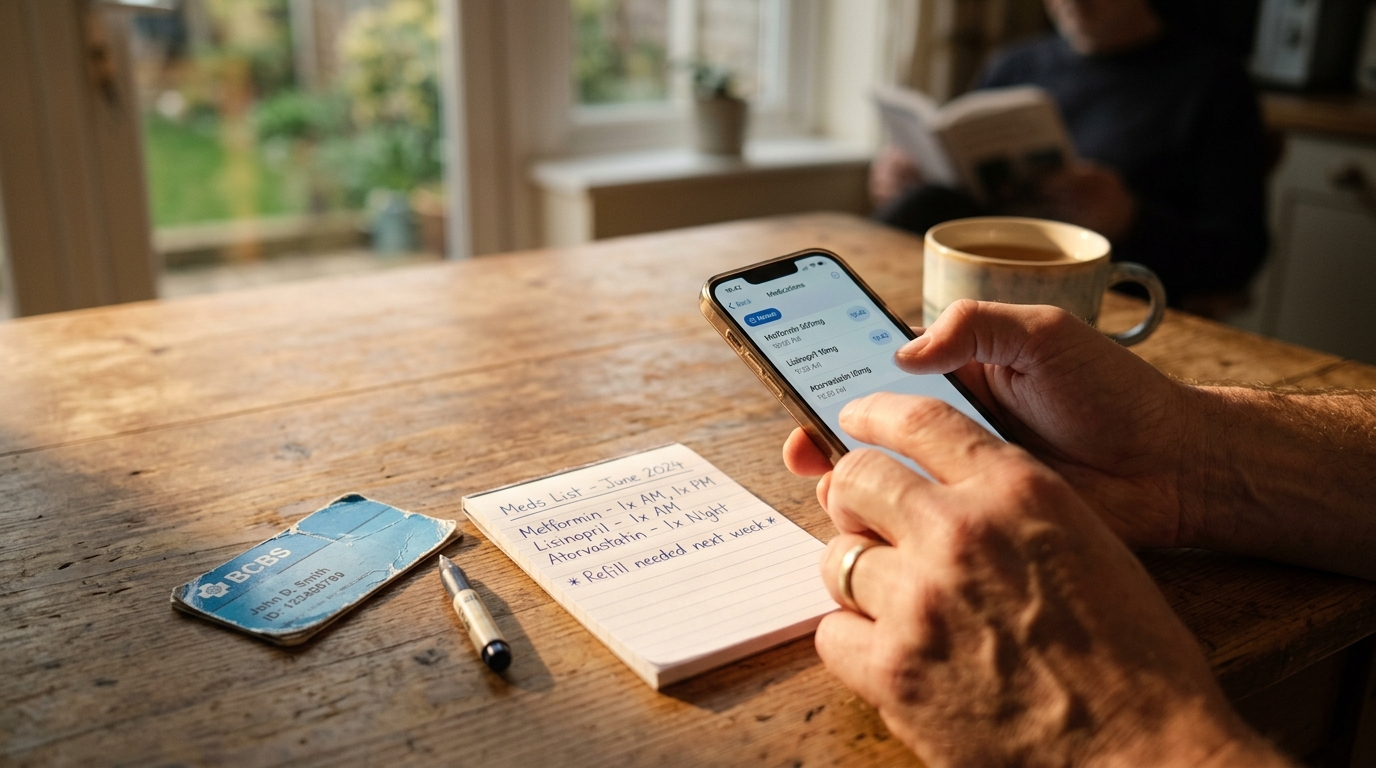
The clinical core of that work is psychotherapy. Evidence-based approaches like cognitive behavioral therapy (CBT) help a woman recognize the thought patterns that fuel anxiety, while group therapy and family therapy address the relationships and isolation that often surround it. Anxiety treatment sometimes includes medication, but this requires real care when a substance use disorder is present. Benzodiazepines, a common class of anti-anxiety drugs, carry their own risk of dependence and are generally not recommended for someone with a history of addiction. For co-occurring anxiety and substance use, clinicians typically favor non-addictive options such as SSRIs, paired with therapy, so the medication does not become a new problem.
Recovery also takes shape in daily life. Setting concrete goals to mark progress, learning stress-management skills, building a steadier daily routine, attending to nutrition, and adding regular physical activity all give the nervous system room to settle. None of this replaces clinical treatment, but together with it, these habits help a woman manage anxiety instead of reaching for a substance to escape it.
Underneath all of it is a single principle: the mental health condition is not an afterthought. At Destination Hope, anxiety and other psychiatric conditions are treated as primary, with co-occurring substance use addressed fully and at the same time. Our gender-specific programming gives women a setting built around the way these conditions actually show up in their lives. You can read more about our mental health treatment and how we approach the whole person, not just one symptom.
There Is a Path Forward
If you’re a woman living with anxiety and substance use, or you love someone who is, you don’t have to untangle this alone. Recovery means learning to face hard emotions without turning to a substance, and that work is far more possible with the right clinical team beside you. Destination Hope is a residential mental health treatment center in Florida that specializes in dual diagnosis for women. To talk through options and what care could look like, reach out to our admissions team or call (954) 302-4269. We’ve seen this before, and we can help.
Crisis and Emergency Resources
If you or someone you know is in a substance use or mental health crisis, help is available now. Contact the SAMHSA National Helpline at 1-800-662-HELP (4357) for free, confidential treatment referrals 24/7. Reach the 988 Suicide and Crisis Lifeline by calling or texting 988. The Crisis Text Line is available by texting HOME to 741741. For emergencies, call 911.