
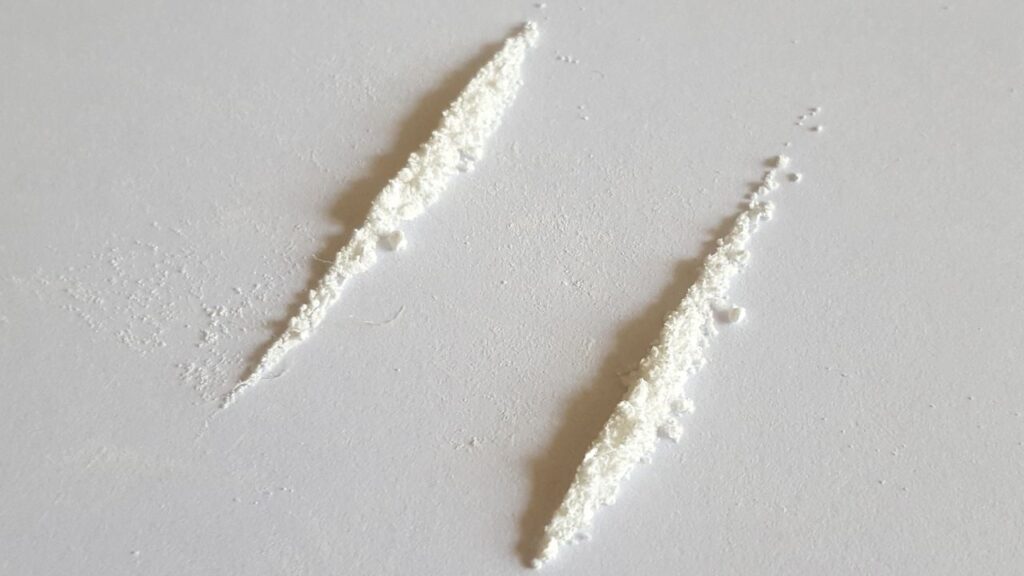
If you’re reading this, you’ve probably noticed something off about someone you care about. Trust that instinct. The signs of cocaine use include physical changes like dilated pupils, frequent nosebleeds, and sudden weight loss, along with behavioral shifts such as erratic sleep, mood swings, secretive behavior, and financial problems. Recognizing these signs early matters because it can move you toward getting your loved one the right kind of help.
What most families don’t realize is that cocaine use is rarely just about cocaine. More often, it’s tangled up with an underlying psychiatric condition: depression, anxiety, bipolar disorder, or unresolved trauma. The cocaine is the coping mechanism. The mental illness is the root. That distinction changes everything about how treatment should work.
What Are the Signs of Cocaine Use?
Cocaine is a stimulant that speeds up the central nervous system, producing short bursts of intense energy and euphoria followed by crashes that can look like depression or extreme fatigue. The signs vary depending on how long someone has been using, how much they’re consuming, and whether they’re snorting, smoking, or injecting it.
Pay attention to clusters of changes rather than any single symptom. One nosebleed doesn’t mean much. A nosebleed combined with mood swings, financial strain, and a shrinking social circle starts to form a pattern worth taking seriously.
Physical Signs of Cocaine Use
The physical effects of cocaine are often the first things family members notice. Dilated pupils are one of the most consistent indicators, along with a frequently irritated nose in people who snort the drug. Nosebleeds, chronic sniffling, and a hoarse voice are common. Some people develop visible redness around the nostrils.
Other physical signs include sudden weight loss (cocaine suppresses appetite), bursts of energy followed by extreme fatigue, restlessness, and disrupted sleep. Your loved one might stay awake for unusually long stretches, then crash for extended periods. Jaw clenching, teeth grinding, and elevated heart rate are also common during active use.
Behavioral and Emotional Signs
Behavioral changes are often what bring families to a search like this one. Someone using cocaine may become increasingly secretive, withdrawing from activities and relationships they used to enjoy. They may disappear for hours without explanation or become defensive when asked simple questions about where they’ve been.
Mood swings are a hallmark. Cocaine produces a dopamine surge that creates intense confidence, talkativeness, and energy. When the drug wears off, that dopamine crashes, producing irritability, agitation, or depressive episodes. You may notice your loved one cycling between being the life of the room and being unreachable or hostile. Financial problems are another red flag: cocaine is expensive, and regular users often burn through money with nothing to show for it.
Signs of Cocaine Use Over Time
Acute intoxication looks different from the toll of chronic use. Over time, cocaine can produce significant personality changes: increased paranoia, suspicion of others, emotional flatness between highs, and difficulty experiencing pleasure without the drug (a condition clinicians call anhedonia).
Long-term use also carries serious medical risks. Cocaine damages the cardiovascular system and can cause heart attacks, strokes, and seizures even in young, otherwise healthy people. Cognitive function can decline, with memory problems and impaired decision-making becoming more noticeable. If you’re seeing these longer-term patterns, the situation has likely moved beyond occasional use into something that requires professional intervention.
Why Cocaine Use and Mental Health Are Often Connected
Cocaine use rarely exists in isolation. Research consistently shows a strong link between stimulant use and psychiatric conditions. According to the National Institute on Drug Abuse, people with mood and anxiety disorders are roughly twice as likely to also have a substance use disorder. This isn’t coincidence. It’s a pattern with a clear clinical explanation.

The Role of Underlying Psychiatric Conditions
Many people who use cocaine are, whether they know it or not, self-medicating. Someone with undiagnosed depression may find that cocaine temporarily lifts the weight they carry. A person with untreated anxiety may use it to feel more confident in social situations. Someone with unresolved trauma may use it to override flashbacks and emotional pain.
The problem is that cocaine makes all of these conditions worse over time. It depletes the brain’s natural dopamine supply, deepening depression. It heightens baseline nervous system reactivity, intensifying anxiety. Sleep is disrupted and moods are destabilized. What starts as a way to cope becomes a second crisis layered on top of the first.
When Cocaine Use Becomes a Dual Diagnosis
When someone meets clinical criteria for both a substance use disorder and a mental health disorder, that’s called a dual diagnosis. This is common with cocaine use. According to SAMHSA, millions of adults in the United States live with co-occurring substance use and mental health conditions in any given year.
The critical point for families: if your loved one has a dual diagnosis, treating the cocaine use alone is not enough. A program that addresses only the substance use leaves the root cause in place, and the relapse risk stays high.
If what you’re reading sounds familiar, a confidential conversation with our clinical team can help you understand what level of care may be appropriate. Call Destination Hope at (954) 302-4269 to talk through what you’re seeing and what options are available.
What to Do If You Recognize These Signs in Someone You Love
Recognizing the signs is the first step. Knowing what to do next is where most families feel stuck. The fear of saying the wrong thing or pushing your loved one away can keep you in a holding pattern for months.
Starting the Conversation
Choose a time when your loved one is sober and relatively calm. Lead with specific observations rather than accusations. “I’ve noticed you haven’t been sleeping, you’ve lost weight, and you seem different” lands differently than “I think you’re on drugs.”
Use language that comes from concern, not judgment. The goal of this conversation is not to get a confession. It’s to open a door. Many people using cocaine already feel shame and fear about what’s happening. Meeting them with calm honesty gives them the best chance of hearing you. Be prepared for denial or anger. That’s a normal response, and it doesn’t mean the conversation failed.
Why Standard Rehab May Not Be Enough
If your loved one is using cocaine and also struggling with depression, anxiety, trauma, psychosis, or another psychiatric condition, a standard addiction rehab may not have the clinical depth to treat what’s actually going on. Many programs are built primarily around addiction. They may check a “dual diagnosis” box, but their clinical teams aren’t staffed to manage severe or complex mental illness as a primary condition.
A program that treats the substance use without adequately diagnosing and treating the psychiatric condition underneath it is only solving half the problem. Look for programs that are psychiatrist-led, staffed at a master’s-level-and-above clinical standard, and genuinely structured to treat mental health alongside addiction.
Cocaine Use and Mental Health Treatment in South Florida
Destination Hope is a Joint Commission-accredited residential mental health and dual diagnosis treatment center in the Fort Lauderdale area, serving individuals and families from across Broward County, South Florida, and out of state. Destination Hope was built for exactly the kind of situation this article describes: when cocaine use is entangled with a psychiatric condition that outpatient care hasn’t resolved.
Treatment is psychiatrist-led and delivered by a master’s-level-and-above clinical team. When a co-occurring substance use disorder is present, it’s treated fully through our dual diagnosis program, but the mental health condition is never secondary. The “why” behind the cocaine use matters more than the cocaine use itself.
Residential stays range from 30 to 90 days, with PHP, IOP, and Extended Care as step-down levels. On-site medical detox means your loved one can stabilize without transferring between facilities. Gender-specific programming, CBT, DBT, trauma resolution, and medication management are all part of the treatment framework. Destination Hope accepts most major insurance plans, and the admissions team can verify your benefits quickly before you make any decisions.

Frequently Asked Questions
What Are the Most Common Signs That Someone Is Using Cocaine?
The most visible signs include dilated pupils, frequent nosebleeds or sniffling, sudden weight loss, energy bursts followed by crashes, erratic sleep, mood swings, secretive behavior, and unexplained financial problems. Look for clusters of symptoms rather than any single indicator.
How Does Cocaine Use Affect Mental Health Over Time?
Cocaine depletes the brain’s dopamine supply with repeated use, which can worsen depression, increase anxiety, and contribute to paranoia or psychosis. People who use cocaine long-term often develop difficulty feeling pleasure without the drug and may experience new or worsening psychiatric symptoms.
Can Cocaine Use Cause or Worsen Depression, Anxiety, or Psychosis?
Yes. Cocaine can trigger depressive episodes, heighten anxiety, and in some cases cause stimulant-induced psychosis, which includes paranoia, hallucinations, and disorganized thinking. For people with an existing mental health condition, cocaine often accelerates and intensifies symptoms.
What Is Dual Diagnosis Treatment for Cocaine Use and Mental Illness?
Dual diagnosis treatment addresses both the substance use disorder and the co-occurring mental health condition simultaneously, with an integrated clinical team. SAMHSA and the National Institute on Drug Abuse consider this the standard of care because treating one condition without the other significantly raises relapse risk.
How Do I Talk to a Family Member I Think Is Using Cocaine?
Approach the conversation from concern, not confrontation. Choose a calm moment, lead with observations (“I’ve noticed changes in your sleep and mood”), and avoid accusatory language. Be prepared for denial. The goal is to open a door, not force a decision in one conversation.
When Does Cocaine Use Require Residential Treatment Instead of Outpatient Care?
Residential treatment is typically appropriate when outpatient care has failed to produce lasting change, when cocaine use is paired with a severe mental health condition, when the living environment is unstable or enabling, or when there’s a safety concern such as suicidal ideation. A clinical assessment can help determine the right level of care.
Does Insurance Cover Residential Treatment for Cocaine Use and Co-occurring Mental Health Conditions?
Under the Affordable Care Act and federal parity laws, most insurance plans are required to cover mental health and substance use treatment at levels comparable to medical care. Coverage details vary by plan. Destination Hope’s admissions team can verify your specific benefits by phone at (954) 302-4269.
What Should I Expect From a Residential Treatment Program That Treats Cocaine Use and Psychiatric Disorders Together?
Expect a comprehensive evaluation at intake that assesses both substance use and mental health. Treatment should include psychiatrist-led medication management, individual and group therapy using evidence-based approaches like CBT and DBT, trauma-informed care, family programming, and discharge planning with step-down options.
Getting Started
Destination Hope specializes in treating the psychiatric conditions that often drive substance use. If your loved one is struggling with cocaine and what feels like a deeper mental health crisis, we were built for exactly this.
Call (954) 302-4269 to speak with our admissions team. The conversation is confidential, with no obligation. You can also visit our Get Started page to request a callback or begin the process.
If you or someone you know is in crisis, contact the 988 Suicide and Crisis Lifeline by calling or texting 988 for free, confidential, 24/7 support. If there is an immediate emergency, call 911.
