
Vitamin D, an Underappreciated Adjunctive Therapy for Depression

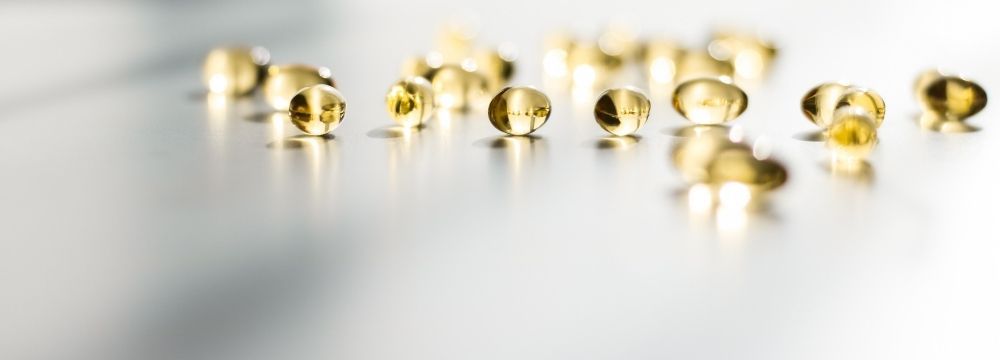
Vitamin D supplements set beside a window, sometimes used alongside psychiatric care for depression linked to vitamin D deficiency

If you’ve been reading about vitamin D and depression, you’ve probably seen two very different headlines. One says low vitamin D causes depression and a supplement can fix it. The other says clinical trials found nothing. Both oversimplify what the research actually shows. The honest version is more useful, especially if you’re trying to help someone whose depression hasn’t lifted: vitamin D is an adjunct, one small piece that may support recovery in certain people, and it is never a substitute for real psychiatric treatment.

Here’s where the science stands, what it means for someone living with major depression, and where a nutrient fits inside actual care.

What Vitamin D Does in the Body

Vitamin D is best known for helping the body absorb calcium and keep bones from going brittle. It also acts more like a hormone than a typical vitamin, and receptors for it show up in regions of the brain involved in mood. That biological footprint is part of why researchers started asking whether it has anything to do with depression in the first place.

Your body makes most of its vitamin D when sunlight hits bare skin. According to the NIH Office of Dietary Supplements vitamin D fact sheet, a smaller amount comes from food: fatty fish like salmon and trout, fortified milk, egg yolks, and UV-exposed mushrooms. Deficiency is common, and the people most at risk include older adults, people with darker skin, those who get little sun, and people with obesity or conditions that impair fat absorption like celiac disease.

Is Vitamin D Deficiency Linked to Depression?

Observational studies have repeatedly found that people with low vitamin D report more depressive symptoms than people with healthy levels. That association is real, and it’s the source of most of the optimistic headlines. The problem is that a correlation doesn’t tell you which way the arrow points. Depression itself pulls people indoors and away from sunlight, changes appetite, and disrupts the routines that keep nutrient levels up. Low vitamin D might be a contributor to low mood, a consequence of it, or a marker of something else going on, like chronic illness or social isolation.

To test cause and effect, researchers run randomized controlled trials that give some people vitamin D and others a placebo. That’s where the picture gets complicated.

What the Trials Actually Show

The evidence is mixed, and anyone who tells you otherwise is selling something. The largest and best-designed prevention study, VITAL, followed more than 16,000 adults and found no significant difference in depression rates between people taking vitamin D and people taking a placebo, a result the NIH fact sheet cites directly. A pooled analysis of nine trials with nearly 5,000 participants, also summarized by the NIH, found no significant reduction in symptoms from supplementation.

Other research points the other way. A 2019 meta-analysis by Vellekkatt and Menon in the Journal of Postgraduate Medicine found that vitamin D supplementation favorably affected depression ratings in people who already had major depression, with a moderate effect size. The authors called the finding tentative, since it rested on only a handful of small trials. A larger 2024 dose-response meta-analysis in Psychological Medicine reported a modest reduction in depressive symptoms, with a stronger effect in people who already had depression than in the general population. Two details from that analysis matter: the benefit faded in trials running longer than six months, and confirmed deficiency at the start didn’t reliably predict who improved.

Read together, the studies support a careful reading. Vitamin D is not a treatment for depression, and there’s no good evidence it prevents it. For some people who already have depression, particularly when a real deficiency exists, correcting that deficiency may offer a small, short-term lift in symptoms on top of their primary care. That’s a meaningful role for an adjunct. It’s a long way from a cure.

How to Check and Correct a Deficiency Safely

You can’t eyeball a vitamin D level. It takes a blood test that measures serum 25-hydroxyvitamin D. The NIH fact sheet treats levels below 12 ng/mL as deficient, 12 to 20 ng/mL as generally inadequate, and 20 ng/mL or above as adequate for most people. If a test shows you’re low, the fixes are familiar: a bit more sun, more vitamin D in the diet, and a supplement when your clinician recommends one.

More is not better with vitamin D. The fact sheet sets the tolerable upper intake at 4,000 IU per day for adults, and very high blood levels can cause hypercalcemia, with nausea, weakness, kidney stones, and in extreme cases organ damage. That’s the practical reason to correct a deficiency under medical supervision rather than guess at a dose from a bottle. A clinician can test, recommend the right amount, and recheck your level.

Where a Supplement Fits Inside Real Depression Care

Depression is highly treatable, and the treatments with the strongest evidence are the ones the National Institute of Mental Health describes: psychotherapy, medication, and, for severe or treatment-resistant cases, brain stimulation therapies. Nutrition supports that work. It doesn’t replace it.

When depression has reached the point where someone can’t function, where it isn’t lifting with outpatient care or comes wrapped in suicidal thoughts, a vitamin level is not the answer. The answer is structured psychiatric treatment. At Destination Hope, depression is treated as a primary condition by a psychiatrist-led, Masters-level clinical team. Care starts with a full evaluation, then builds an individualized plan around medication management and evidence-based therapy like CBT and DBT. Nutrition, including correcting a documented vitamin D deficiency, is one supporting thread inside that plan, never the plan itself. Our residential depression treatment exists for the moments when outpatient care hasn’t been enough.

If a loved one’s depression keeps deepening despite everything you’ve tried, that isn’t a failure of willpower or a missing vitamin. It’s a sign the level of care needs to change. Our mental health treatment programs are built for exactly that gap, and you can talk through admissions with someone today. Call Destination Hope at (954) 302-4269 to find out what the next step looks like.

Crisis and Emergency Resources

If you or someone you know is in a substance use or mental health crisis, help is available now. Contact the SAMHSA National Helpline at 1-800-662-HELP (4357) for free, confidential treatment referrals 24/7. Reach the 988 Suicide and Crisis Lifeline by calling or texting 988. The Crisis Text Line is available by texting HOME to 741741. For emergencies, call 911.

Further Reading

More Recovery Insights

View all articles
Clinical receptionist smiles warmly while speaking on a telephone receiver and typing at her front desk.

Immediate, Confidential Guidance

Our admissions specialists are available 24/7 to provide clinical recommendations and verify your coverage. Your dignity and privacy are our highest priorities.