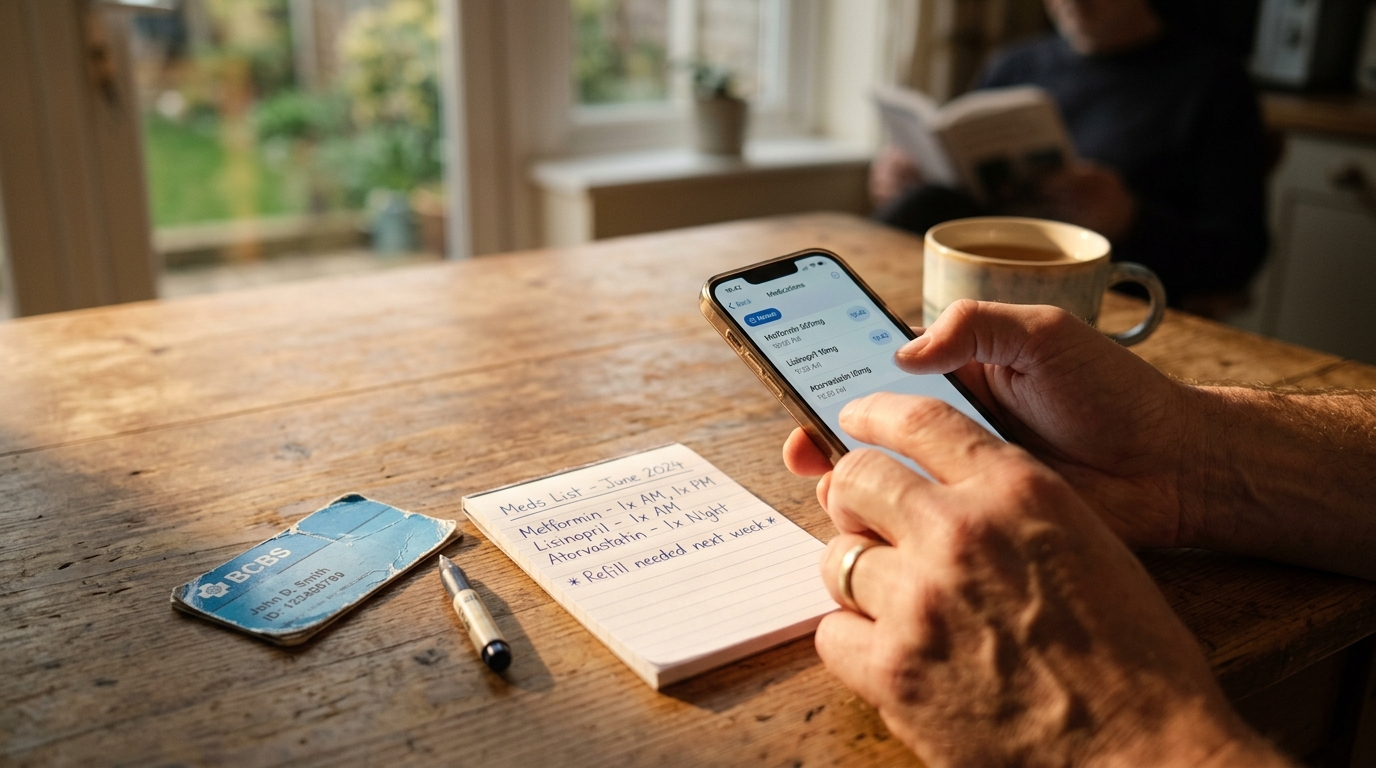
When a mother is struggling with substance use, the question that stops her from getting help is rarely “Do I need treatment?” It’s “Who watches my kids while I’m gone?” That logistical worry sits on top of a deeper one, the fear that asking for help will be read as proof she’s an unfit parent. Both fears are real, and both keep women out of care at the moment treatment would do the most good.
At Destination Hope, we treat women whose substance use is tangled up with depression, anxiety, trauma, or another mental health condition. For a lot of the mothers we see, the drinking or the pills started as a way to manage something underneath. Treating the addiction without treating that underlying condition tends to leave the door open for relapse. So we treat both at once, with the mental health condition as the primary focus rather than an afterthought.
Why Childcare Is One of the Biggest Barriers for Mothers
This isn’t a personal failing. It’s a documented gap in how treatment is built. According to SAMHSA’s Treatment Improvement Protocol 51, Addressing the Specific Needs of Women, responsibility for dependent children is one of the largest barriers women face when deciding whether to enter treatment. The protocol notes that when mothers can keep their children with them during residential care, they stay in treatment longer, and longer retention is one of the strongest predictors of a durable recovery.
Fear of losing custody compounds the problem. In some states, disclosing substance use during pregnancy can trigger a child-welfare report, so many mothers stay silent and stay sick. The result is a cruel loop: the women who most need care are the ones structurally discouraged from seeking it. Naming that loop out loud is the first step in breaking it.
What Gender-Specific Treatment Actually Means
Men and women don’t experience substance use the same way, and the research bears that out. The National Institute on Drug Abuse’s overview of sex, gender, and drug use describes differences in how substances affect the body, how quickly use can escalate, and the social pressures that shape why someone uses in the first place. For women, those pressures often include caregiving, a history of trauma, and the stigma that lands harder on a mother than on almost anyone else.
Gender-specific care responds to all of that. SAMHSA’s TIP 51 frames effective women’s treatment around relationships, parenting, and the practical needs that have to be addressed before recovery can hold, things like housing, transportation, and emotional safety. It’s the difference between a program that simply separates men and women into different rooms and one designed around what women actually walk in carrying. Our residential program at Destination Hope is gender-specific for exactly this reason, and our family program brings parents and the people who love them into the clinical work, because recovery that ignores the family rarely survives contact with home.
Putting Your Recovery First Is Putting Your Children First
The oxygen-mask line is a cliche because it’s true. You can’t parent from inside an untreated illness. Mothers often arrive convinced that stepping away for treatment is abandonment, when the opposite is closer to the truth. Stabilizing your mental health and your substance use is the thing that makes you available again, present, steady, and able to show up the way you want to.
That work is hard, and it’s clinical. At Destination Hope it’s psychiatrist-led, delivered by a Masters-level-and-above team, and built on evidence-based therapies like CBT and DBT alongside medication management when it’s warranted. When substance use and a mental health condition show up together, our dual diagnosis treatment addresses them as one connected picture instead of two separate problems handed off between programs.
If you’re a mother weighing treatment, or you’re watching a woman you love try to hold everything together while she’s coming apart, you don’t have to sort out the logistics alone. Our admissions team can talk through childcare arrangements, insurance, and what residential care would actually look like for your family. Reach our admissions team or call (954) 302-4269 to start the conversation.
Crisis and Emergency Resources
If you or someone you know is in a substance use or mental health crisis, help is available now. Contact the SAMHSA National Helpline at 1-800-662-HELP (4357) for free, confidential treatment referrals 24/7. Reach the 988 Suicide and Crisis Lifeline by calling or texting 988. The Crisis Text Line is available by texting HOME to 741741. For emergencies, call 911.