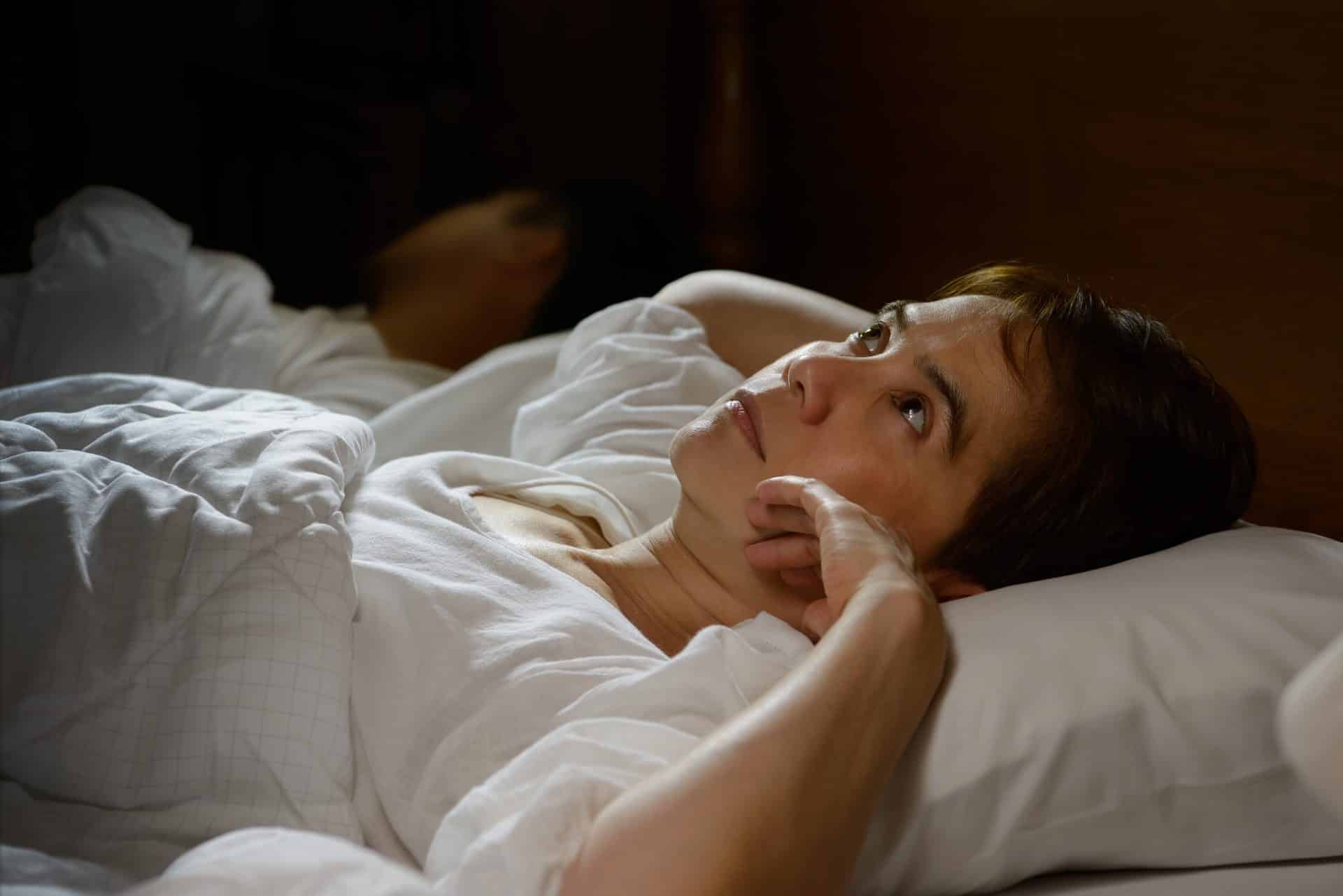
Anxiety and depression show up everywhere in the stories we tell. Turn on a drama or open a novel and you’ll find a woman wrestling with worry, grief, or a sadness she can’t name. The feelings themselves are ordinary. Most of us have felt anxious before a first day at a new job, or low after losing someone we love. The trouble starts when those feelings stop lifting, settle in, and start running a person’s life. For many women, that’s the line between a hard week and a clinical condition that needs treatment.
The numbers bear out how common this is. According to the CDC’s National Center for Health Statistics, 10.4% of women aged 20 and over had depression during 2013 to 2016, almost twice the rate for men. National Institute of Mental Health data shows the same pattern for anxiety disorders, which women experience at notably higher rates than men. These are treatable conditions, and a diagnosis is the start of getting better, not a verdict.
Fiction hasn’t always been kind to this reality. For generations, authors wrote women undone by their own minds, fragile figures who couldn’t break free and often met tragic ends. That portrait shaped how readers imagined a struggling woman: passive, doomed, defined by her suffering. Some of the most enduring characters in literature push back on that picture. They carry real pain and still build full lives. Here are three worth revisiting.
Three Heroines Who Refuse to Be Defined by Their Pain
Jane Eyre
You can’t talk about strong female leads without Charlotte Brontë’s Jane Eyre. She survives cruelty at the hands of her own family and later finds oppression under a harsh headmistress, yet she keeps getting back on her feet. Brontë could have written Jane as another casualty of the era’s anxious, melancholy women. Instead, Jane forgives where she can and takes hold of her own life. She’s one of the first heroines in modern literature to speak openly about her feelings, society’s expectations of her, and the conflict of staying true to herself.
Hermione Granger
Hermione doesn’t get cast as the hero, but her wits and steady nerve pull her friends out of danger again and again. She’s the one who plans, studies, and holds the group together. When it costs her everything, she pays it. She erases herself from her own parents’ memories to keep them safe. That mix of independence, work ethic, and quiet sacrifice makes her a role model worth pointing young readers toward.
Jo March
Little Women is full of the period’s stereotypes about women, and Jo March stands apart from all of them. She grieves the loss of her sister Beth and clashes with her sister Amy, but she never lets sorrow flatten her. Jo thinks for herself, writes for a living, and decides what her life will look like. She shows what a woman can do when she carries hard things and keeps moving anyway.
When the Story Stops Being Fiction
These characters resonate because the struggle is real. The difference between a heroine on the page and a woman in your family is that real anxiety and depression don’t resolve in the final chapter. They wear a person down, and willpower alone rarely lifts them. When worry, dread, or a heavy low has lasted for weeks and outpatient visits haven’t been enough, that’s a sign the condition needs a higher level of care.
At Destination Hope, mental health is the primary diagnosis, not an afterthought bolted onto an addiction program. We provide residential treatment for depression and care for anxiety disorders in a psychiatrist-led setting, with a Masters-level-and-above clinical team and gender-specific programming built around the needs of women. When a substance use disorder is part of the picture, we treat it at the same time through our dual diagnosis program, without pushing the mental health condition into second place.
If you or a woman you love has been struggling with anxiety or depression and the usual help hasn’t been enough, you don’t have to keep watching her disappear. Reach our admissions team to talk through what treatment could look like, or call us anytime at (954) 302-4269. We’ve seen this before, and we can help.
Crisis and Emergency Resources
If you or someone you know is in a substance use or mental health crisis, help is available now. Contact the SAMHSA National Helpline at 1-800-662-HELP (4357) for free, confidential treatment referrals 24/7. Reach the 988 Suicide and Crisis Lifeline by calling or texting 988. The Crisis Text Line is available by texting HOME to 741741. For emergencies, call 911.