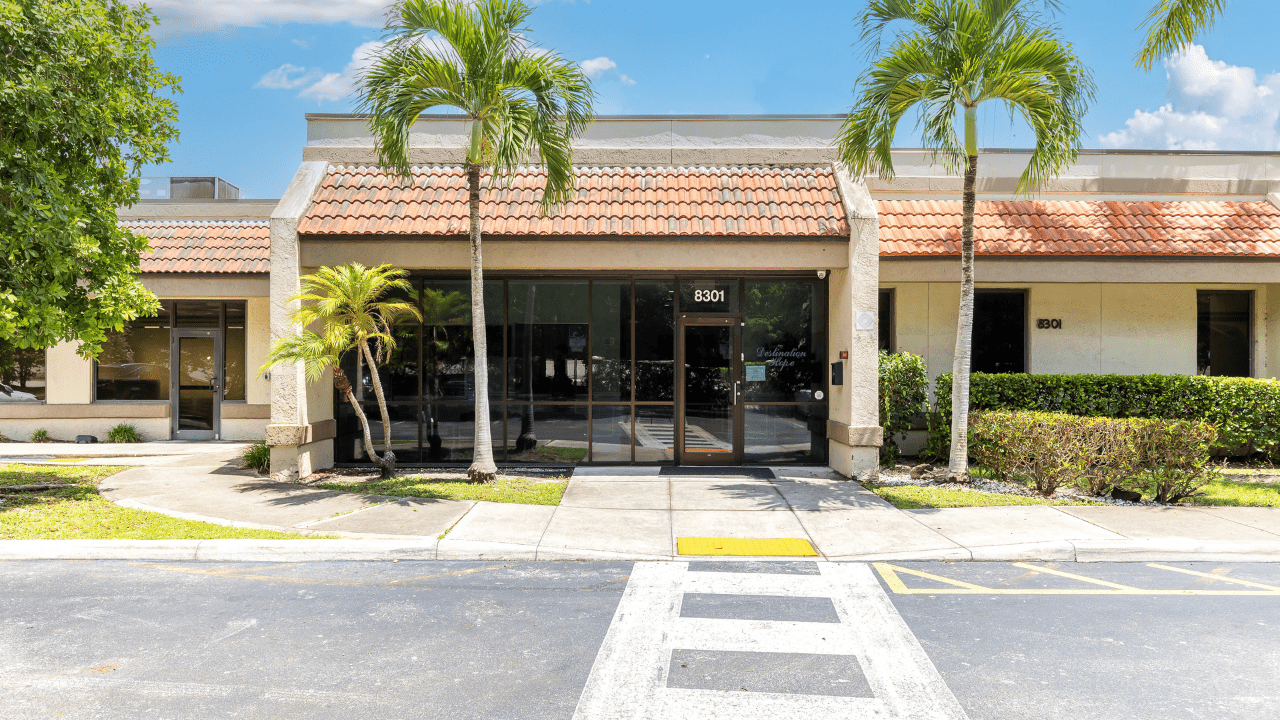
When someone you love is in crisis, the question isn’t only whether they need treatment. It’s how much. Choosing between a Partial Hospitalization Program and residential treatment is one of the first real decisions a family faces, and it shapes everything that follows. At Destination Hope in Fort Lauderdale, we provide both, so the level of care can match the clinical picture instead of forcing the person to fit the program. We’ve delivered psychiatrist-led mental health and dual-diagnosis care since 2006, and we were one of Florida’s first programs to run a structured PHP. That experience means clients move between levels of care without losing their team or their treatment plan.
What Is the Difference Between PHP and Residential Treatment?
The short answer is supervision. Residential treatment is a 24-hour level of care where the person lives on site and has clinical staff available at every hour. A Partial Hospitalization Program is intensive daytime treatment, after which the person returns to a residence in the evening. Both organize care around the same standard. The American Society of Addiction Medicine’s ASAM Criteria place residential care at Level 3 and PHP at Level 2.5, and that gap in monitoring is the main thing separating them. Everything else, the therapy, the psychiatry, the structure, builds on that difference.
What Does Residential Treatment Look Like?
Residential treatment is for people who need the highest degree of structure and around-the-clock support. At Destination Hope, our residential program means living on site with continuous supervision, daily contact with licensed clinicians, psychiatric oversight, medication management, and a routine built to create stability. For someone whose mental illness has made daily life unmanageable, that environment does something outpatient care can’t. It removes the triggers and the chaos of home and gives the clinical team a clear, continuous view of how the person is actually doing. We treat primary psychiatric conditions at this level, including severe depression, bipolar disorder, trauma, and psychotic features, and we treat any co-occurring substance use at the same time rather than treating it later.

What Is PHP Like at Destination Hope?
A Partial Hospitalization Program is a full-day, clinician-led schedule that holds much of the intensity of residential care while the person sleeps in a more independent setting. According to the Substance Abuse and Mental Health Services Administration’s TIP 47, partial hospitalization generally runs 20 or more hours of treatment a week. Our PHP meets that standard and goes beyond it, with group, individual, and family work alongside psychiatry and medication management. The point is to build skills during the day and start practicing them in real life, with the clinical team watching closely enough to adjust quickly if something slips.
PHP vs. Residential: The Practical Differences
Schedule and setting differ most. In residential care, the person lives on site with 24-hour support and a tightly structured day and evening. In PHP, they’re in intensive daytime treatment and then return to a residence at night, which reintroduces real-world demands under clinical supervision. Residential is often the right first step when safety, acute symptoms, or stability are the immediate concern. PHP is a strong fit for someone who’s medically stable or stepping down from residential and ready for more independence while still needing daily, intensive support. If you’re weighing the two for a loved one, our admissions team can help you figure out which starting point fits the current clinical picture.
Clinical Considerations That Guide the Choice
The choice isn’t about willpower or motivation. It’s about acuity and safety. We recommend residential treatment when a person needs continuous monitoring, when symptoms or triggers are undermining their safety, or when prior outpatient care hasn’t been able to interrupt the cycle. The around-the-clock structure of residential care makes room for trauma work, baseline stabilization, and medication adjustment that’s hard to do when someone is going home each night. PHP fits when a person is stable enough for daytime care but still needs frequent therapy contact and a heavy schedule. Because Destination Hope runs both levels, our clinicians can move someone up or down without restarting treatment from scratch.

How the Levels of Care Fit Together
Most people don’t stay at one level for the whole stay. Recovery from a serious psychiatric or co-occurring condition usually moves along a continuum, and the SAMHSA framework is built that way on purpose. A common path starts in residential care, steps down to PHP as symptoms stabilize, and then continues into intensive outpatient and aftercare. Each step lowers the intensity while keeping the same clinical relationships in place. You can see how the steps connect on our levels of care overview, which lays out detox, residential, PHP, IOP, and continuing support as one connected path rather than separate programs.
How We Help You Decide
Every admission starts with a comprehensive clinical assessment. We review psychiatric history, any co-occurring substance use, medical needs, safety concerns, and the home environment the person would be returning to. Some clients begin in residential care and transition to PHP as they stabilize. Others are appropriate to start directly in PHP. If cost is weighing on the decision, we can review your benefits and explain your coverage before you commit, so the choice is about clinical need and not guesswork. You can start with our insurance and payment page or talk it through directly with our team.
When to Choose Each Level
Consider residential treatment when the person needs an immersive reset, when home triggers are overwhelming, or when outpatient attempts haven’t held. Consider PHP when they’re medically stable, ready to engage in an intensive daytime schedule, and rebuilding independence with clinical support behind them. Many people use both, beginning in residential and continuing in PHP as they prepare for intensive outpatient and community-based aftercare. The right answer depends on where the person is right now, and that can change. Our team adjusts the plan as they progress.
Talk Through the Right Starting Point
If you’re weighing PHP versus residential treatment in South Florida, you don’t have to make this call alone. Our psychiatrist-led team can match the level of care to your loved one’s needs and adjust as those needs change. Call us at (954) 302-4269 for a confidential conversation, or start with our admissions team to take the next step today.
Crisis and Emergency Resources
If you or someone you know is in a substance use or mental health crisis, help is available now. Contact the SAMHSA National Helpline at 1-800-662-HELP (4357) for free, confidential treatment referrals 24/7. Reach the 988 Suicide and Crisis Lifeline by calling or texting 988. The Crisis Text Line is available by texting HOME to 741741. For emergencies, call 911.