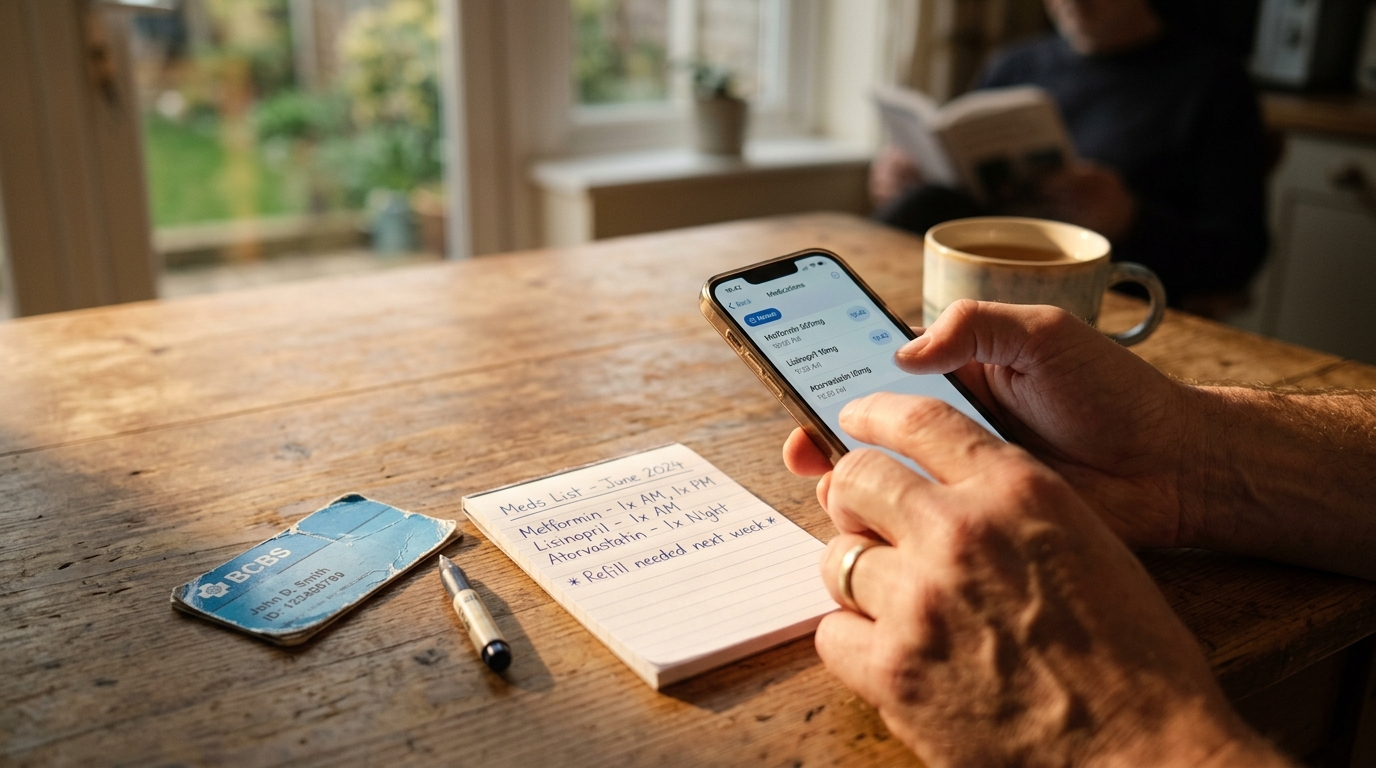
When a substance use disorder and a mental health condition show up in the same person, clinicians call it a co-occurring disorder, or dual diagnosis. It’s common. In its 2024 National Survey on Drug Use and Health, the Substance Abuse and Mental Health Services Administration estimated that about 21.2 million U.S. adults had both a mental illness and a substance use disorder in the past year. For families, the pattern is often confusing to watch. Did the drinking cause the depression, or did the depression come first? The honest answer is that it usually runs both directions, and treating one while ignoring the other tends to leave the person stuck.
At Destination Hope, we treat the psychiatric condition as a primary diagnosis, not a checkbox tacked onto an addiction program. When substance use is part of the picture, it’s treated fully and at the same time. Below are several of the pairings we see most often, and why each one needs both halves addressed together.
Cocaine Use and Anxiety
Cocaine and anxiety feed each other. Someone living with an untreated anxiety disorder may use cocaine for the short burst of confidence and energy that briefly quiets the noise. The relief doesn’t last. According to the National Institute on Drug Abuse, heavier cocaine use can produce restlessness, irritability, panic attacks, and paranoia, and at high doses it can tip into a temporary psychosis with hallucinations. NIDA has also reported a roughly threefold increase in the risk of panic attacks tied to cocaine use. So the drug a person reaches for to manage anxiety often deepens it, which drives more use. Breaking that loop means treating the anxiety disorder directly, not just removing the cocaine.
Common signs in this pairing include:
- Persistent worry or dread that predates the substance use
- Paranoia or suspiciousness
- Insomnia and restlessness
- Panic episodes that intensify after use wears off
Opioid Use and Depression
Opioids, including heroin and prescription painkillers, produce a brief high followed by a hard crash, and the two conditions tend to reinforce each other over time. Research collected by the National Institute of Mental Health shows that depressive disorders frequently co-occur with opioid use disorder, and that the combination raises the risk of overdose and suicide. A person may start using to numb depression, or develop depressive symptoms as use continues and withdrawal cycles set in. Either way, depression makes withdrawal harder to get through, which raises the odds of returning to use. Medical detox plus active treatment for the mood disorder gives someone a real chance to stabilize.
Symptoms families often notice:
- Flat mood and low energy
- Withdrawal from family and friends
- Sleep and appetite changes
- Hopelessness or thoughts of suicide
Alcohol Use and Antisocial Personality Disorder
Alcohol use disorder and antisocial personality disorder show a well-documented overlap. Writing in NIAAA’s Alcohol Research: Current Reviews, researchers describe a high rate of co-occurrence between the two, with antisocial personality disorder estimated to affect about 4.3% of U.S. adults in the National Epidemiologic Survey on Alcohol and Related Conditions. The disorder involves a long-standing pattern of disregard for others, along with impulsivity, deceitfulness, and aggression. Alcohol amplifies the traits that make this condition dangerous, lowering the threshold for anger and violence. That’s why this pairing calls for careful, coordinated care rather than a generic relapse-prevention track.
Cannabis Use and Schizophrenia
Schizophrenia brings delusions, hallucinations, and disorganized thinking, and some people use cannabis hoping it will quiet those symptoms. The evidence points the other way. NIDA reports that cannabis use is linked to earlier onset of psychosis in people with genetic risk and to worse symptoms in those already living with a psychotic disorder. A large 2023 study supported by NIDA, drawing on decades of records from more than 6 million people in Denmark, found a strong association between cannabis use disorder and schizophrenia that was especially pronounced in young men. The authors estimated that as many as 30% of schizophrenia cases among men ages 21 to 30 might have been prevented by averting cannabis use disorder. When schizophrenia and cannabis use occur together, both need treatment, because using to self-medicate tends to make the underlying illness worse.
Why Both Conditions Have to Be Treated Together
The thread running through every pairing above is that the substance and the psychiatric condition keep each other going. Treat the addiction alone and the untreated mental illness drives a return to use. Stabilize the mood or thought disorder without addressing the substance use and the symptoms keep getting reignited. SAMHSA’s guidance on co-occurring disorders is direct on this point: integrated care that screens and treats both at once produces better outcomes than treating either in isolation.
That’s the model our dual diagnosis program is built around. A psychiatrist-led evaluation establishes a clear baseline, and treatment combines medication management, individual and group therapy, and trauma resolution, with family involvement throughout. Because we’re a residential mental health treatment center first, we can hold acuity levels that many addiction-focused programs turn away, including active psychosis and suicidal ideation, while treating the substance use in the same plan.
If you’ve watched someone you love cycle through programs that treated half of what’s wrong, there’s a better path. Call Destination Hope at (954) 302-4269 or start the admissions process to talk with our clinical team about a plan that treats the whole person.
Crisis and Emergency Resources
If you or someone you know is in a substance use or mental health crisis, help is available now. Contact the SAMHSA National Helpline at 1-800-662-HELP (4357) for free, confidential treatment referrals 24/7. Reach the 988 Suicide and Crisis Lifeline by calling or texting 988. The Crisis Text Line is available by texting HOME to 741741. For emergencies, call 911.