When someone you love is preparing to enter residential treatment, the unknown is its own kind of weight. What will the days actually look like? Is it a hospital ward, or something gentler? Will the real work get done? At Destination Hope, our residential program in Fort Lauderdale, Florida is built for people whose mental health has made life unmanageable, often with a co-occurring substance use disorder in the picture. Here is what an ordinary day looks like from the inside. No two days are identical, because each person’s treatment plan is built around their own diagnosis and needs, but the shape of the day is consistent: structured, clinically deep, and designed to move someone from crisis toward stability.
A Typical Day in Residential Treatment
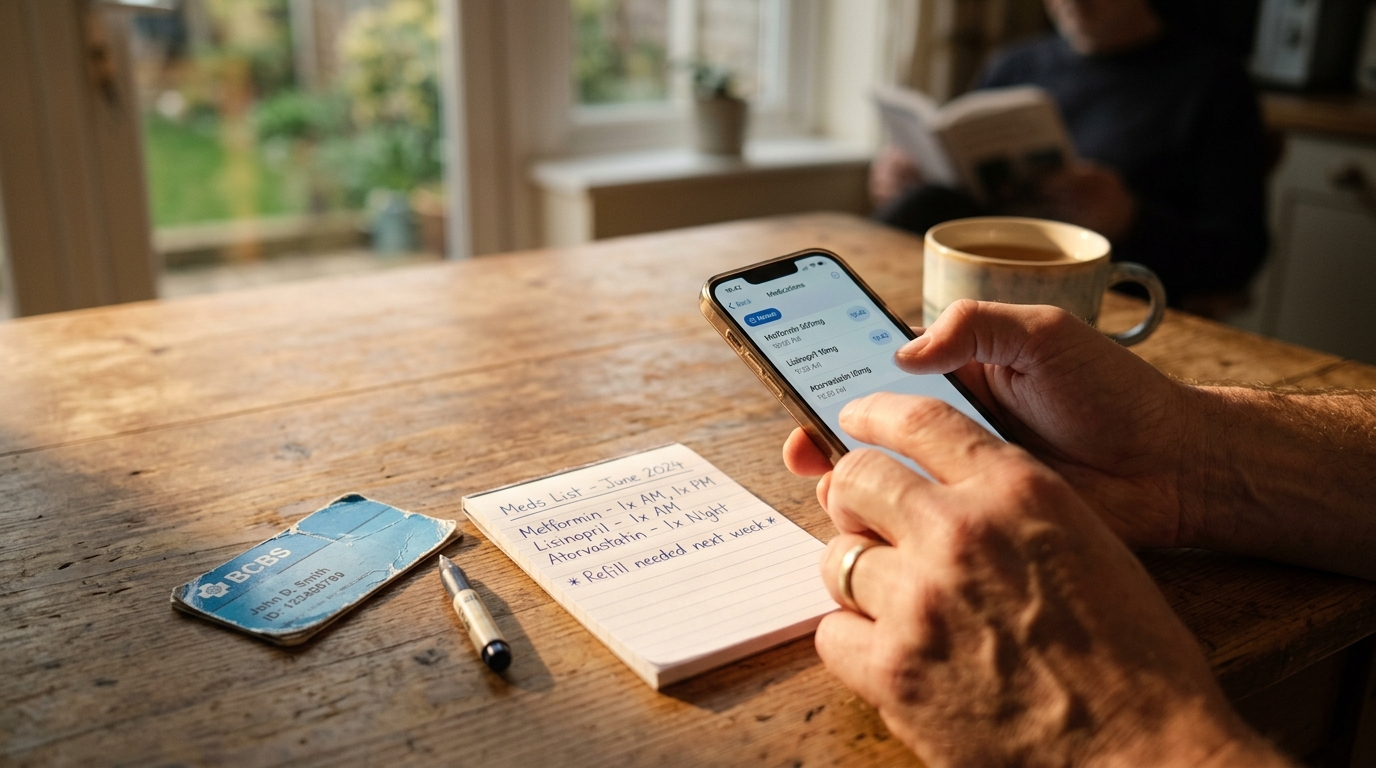
A day in our residential mental health program is anchored in therapy, but it is more than therapy alone. Mornings usually begin with a check-in, a chance for the clinical team to gauge how each person is doing and to adjust the day where needed. For someone in early treatment, that daily read on mood, sleep, and medication response is part of establishing a baseline that the whole plan is built on.
From there, the core of the day is clinical. Individual sessions give each person one-on-one time with a Masters-level-and-above clinician. Group therapy brings peers together to do the harder work of being honest in front of others who understand. Evidence-based approaches like cognitive behavioral therapy (CBT) and dialectical behavior therapy (DBT) run throughout, helping people recognize the thoughts and patterns that drive depression, anxiety, trauma responses, or substance use, and practice new ways of responding. When a co-occurring substance use disorder is present, it is treated fully and at the same time as the underlying mental health condition. The mental illness is never treated as an afterthought.
Some days include family therapy, though not every day. Family sessions are scheduled around the realities of work, school, and distance, and they matter enormously: the people at home are often exhausted, frightened, and unsure how to help. Our family program exists to bring them back into the process with information and support rather than blame.
Structure, Rest, and Learning to Manage Stress
Treatment is not only sitting in sessions. The day also makes room for rest, movement, and connection, and that is by design. Stress and difficult emotional states are among the most common drivers of relapse and of mental health setbacks, and the risk is highest in the earliest weeks of recovery, when the body and brain are still recalibrating. So part of the clinical work is learning, in real time, how to regulate stress instead of being overwhelmed by it.
That can look like a structured fitness or wellness activity, time outdoors, or a peer support meeting, on-site or off-site, where people share their struggles and hear that they are not alone. The point of these hours is not to fill the schedule. It is to practice the regulation skills, the routines, and the supportive relationships that have to hold up after treatment ends, in a setting where there is help close at hand if a hard moment arrives.
The Work Is Hard. The Direction Is Forward.
None of this is easy, and we will not pretend otherwise. Real recovery asks a great deal of the person doing it. What the structure of a treatment day provides is direction: a reason to get up, a clinical team that does not flinch, and steady, measurable movement away from the free fall. Recovery also does not end at discharge. That is why Destination Hope offers a full continuum of care, with PHP, IOP, and aftercare step-downs, plus relapse prevention strategies and an alumni community, so the progress made in residential treatment has somewhere to keep going.
If you want a clearer picture of the day-to-day before making a decision, our what to expect guide walks through the experience in more detail. And if substance use is tangled up with a mental health condition, our approach to co-occurring addiction treatment treats both at once, rather than treating one and hoping the other resolves on its own.
Take the Next Step
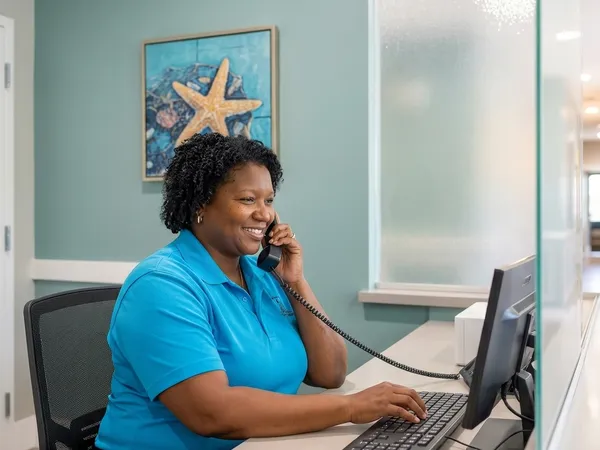
If you have watched someone you love disappear into their diagnosis, or you are exhausted from trying to hold it together yourself, you do not have to navigate the next step alone. Destination Hope is a psychiatrist-led residential mental health and dual diagnosis facility in Fort Lauderdale, Florida, accredited by the Joint Commission and built for high-acuity care that standard programs turn away. To talk with our admissions team about whether residential treatment is the right fit, visit our admissions page or call us today at (954) 302-4269.
Crisis and Emergency Resources
If you or someone you know is in a substance use or mental health crisis, help is available now. Contact the SAMHSA National Helpline at 1-800-662-HELP (4357) for free, confidential treatment referrals 24/7. Reach the 988 Suicide and Crisis Lifeline by calling or texting 988. The Crisis Text Line is available by texting HOME to 741741. For emergencies, call 911.