Treatment Programs
Restoring connection through family support.
Addiction and mental illness don’t affect just one person. They impact entire families. The strongest recovery happens when families heal alongside their loved one.

A Systemic Approach
How Our Family Program Works
Our program is not an add-on; it’s integral to our treatment philosophy. It addresses codependency, communication breakdowns, unresolved trauma, and shattered trust.
Weekly Family Groups
Family members participate in a structured group therapy session each week with other families dealing with similar issues, providing education, practical skills, and peer support.
Family Forum Support Group
Meeting bi-weekly, this virtual forum provides family members with continued connection, education, and shared peer support throughout the recovery process.
Individual Sessions
Weekly or bi-weekly one-on-one sessions to address your family’s specific issues, past pain, and current dynamics, aiming for healthier relating and communication.
Intensive Weekends
Once a month, families participate in intensive weekend programming, allowing for deep work on family dynamics, trauma processing, and relationship building.
What We Address
Addiction and mental illness often hide or mask underlying family issues. As the person in treatment heals, family patterns that supported the illness become visible.
-
Codependency & Boundaries Family members learn to set boundaries, stop enabling, and support recovery without taking responsibility for their loved one’s choices.
-
Communication Patterns We teach active listening and how to express feelings without blame, replacing withdrawal or sarcasm with direct, honest communication.
-
Unresolved Trauma & Trust Family therapy safely addresses past trauma and helps gradually rebuild trust as behaviors change and compassion deepens.
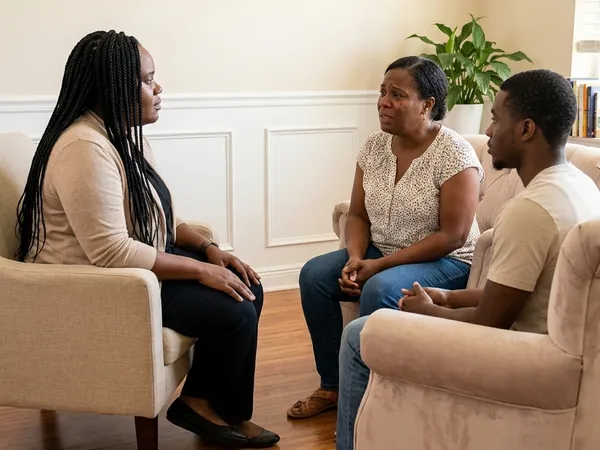
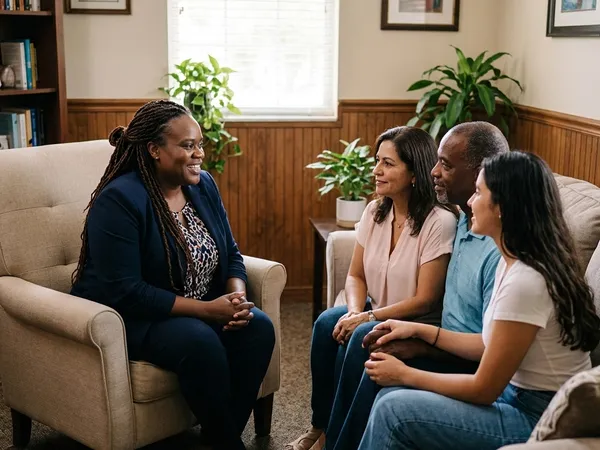
Specialized Support
We provide gender-specific programming and specialized tracks for families with children, blended families, and LGBTQ families, ensuring a trauma-informed, culturally sensitive approach.
When families learn, grow, and change together, outcomes improve for everyone. The person in treatment has a healthier family system to return to, and family members can move from a system organized around illness to one supporting health and wellness.
Connection & Advocacy
Family Ambassador Network
The Family Ambassador Network is built on connection, advocacy, and empowerment. Through the shared lived experience of family alumni, the network creates a supportive space where families can find understanding, empathy, and hope throughout their recovery journey.
“No family should face addiction and mental health challenges alone.”
Empathy & Trust
Providing a compassionate, safe space built on confidentiality and respect.
Lived Experience
Harnessing the power of shared journeys to inspire hope and navigate care.
Supportive Guidance
Connecting families with critical resources, education, and tools.
Virtual Family Forum
Ongoing connection and education through bi-weekly virtual support groups.
The Reality of Family Programs
Completed intensive outpatient treatment when family therapy was part of care, compared to 59% without.
Source: NIH/PMC, 2023Relapse rates for substance use disorders run 40 to 60%, comparable to other chronic illnesses, which is why family support matters.
Source: NIDAMore than 1 in 8 children, about 8.7 million, live with a parent who has a substance use disorder.
Source: SAMHSA