Admissions
What to expect when you arrive.
Understanding what happens during treatment can help ease anxiety about entering a recovery program. We walk you through each step of the process so you feel prepared and confident before arriving.
Getting Started
The Admissions Process Step By Step
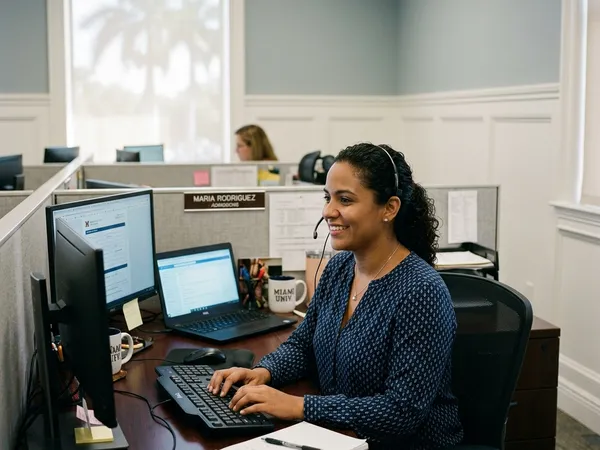
Your treatment journey with Destination Hope begins with a phone call.

Our admissions coordinator will conduct a pre-admissions screening, gathering information about your substance use or mental health concerns and explaining how we can help. This initial conversation is confidential and judgment-free. We will discuss your medical history, any previous treatment experiences, and your personal goals for recovery.
Once your admission is approved, we move to the insurance verification and payment arrangement stage. Our insurance specialists will work with your insurance company to verify your benefits and explain exactly what your plan covers. If you need medical detoxification before entering our residential program, we will coordinate your stay at our in-house medical detox facility. This ensures that detoxification is safe, medically supervised, and as comfortable as possible before you begin your main treatment program.
When you are ready, we coordinate your travel and arrival at Destination Hope. We can provide travel assistance and will let you know exactly what to bring and what not to bring. Our team will be prepared to welcome you and begin settling you into our facility.
The First 48 Hours
Your Arrival and Orientation
When you arrive, our priority is to help you feel safe, comfortable, and oriented to your new surroundings.
Medical & Psychiatric Evaluation
Your first day includes a full psychological and medical evaluation conducted by our clinical team. This evaluation helps us understand all aspects of your situation, including any co-occurring conditions, so we can tailor your treatment plan.
Settle In
While the first day involves some paperwork and assessments, we ensure you have time to rest and adjust. You will be shown to your comfortable room, given information about meal times, and introduced to peers.
A Typical Day In Treatment
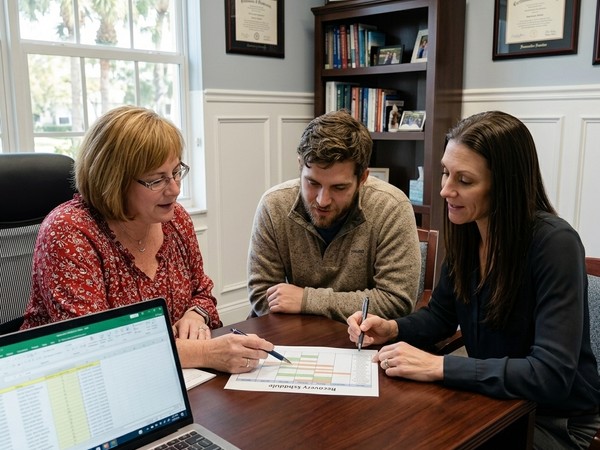
Life at Destination Hope provides a highly structured environment to support your recovery. Our days begin early to encourage active living and include a variety of recovery activities.
Packing Guidelines
Please bring personal hygiene items, comfortable clothing (gym clothes are recommended), any medications you are currently taking in their original bottles, and your insurance card/ID. Our admissions team will provide a detailed packing list before you arrive.
Morning & Therapy Sessions
Your day will include individual and group therapy sessions. Group therapy provides an opportunity to connect with peers, share experiences, and learn from others in a supportive community.
Relaxation & Wellness
Recovery is emotionally demanding work. We prioritize wellness activities, including time at our onsite gym, yoga classes, and outdoor recreation to manage stress and rebuild physical health.
Support Groups
Support group meetings (like AA, NA, or specialized mental health groups) are a daily part of your routine. These may be held on-site or off-site with members of the local recovery community.
Beyond Therapy
Case Management Services
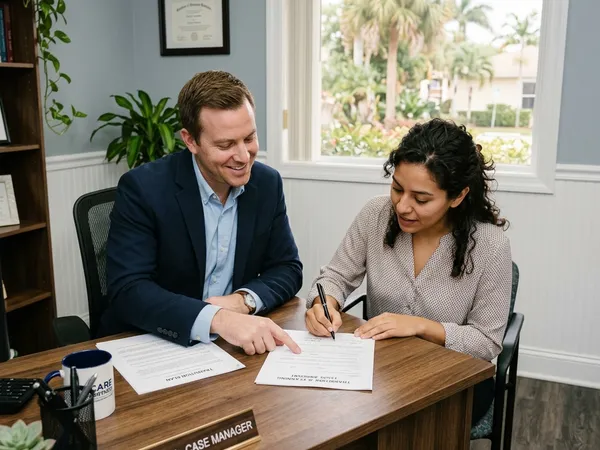
Our case management department works with you to address real-world challenges that may stand in the way of your recovery.
Employment Services
We assist with FMLA and disability paperwork to protect your income. Before discharge, we help with resume development and interview preparation.
Legal Assistance
If you have pending legal or probation issues, we communicate with attorneys, judges, and probation officers on your behalf to document your progress.
Financial Services
We help connect you with available resources, assisting with applications for food stamps, Social Security benefits, or financial hardship programs.
Discharge Planning
We connect you with supportive housing options like sober living, arrange ongoing outpatient therapy, and connect you with our alumni program.
Logistics & Policies
Clear guidelines to help you prepare for arrival and stay connected safely.
What to Bring
- Personal hygiene items
- Comfortable clothing & gym wear
- Current medications in original bottles
- Insurance card and ID
- Important medical records
What NOT to Bring
- Weapons of any kind
- Drugs or alcohol
- Unapproved electronics
- Revealing or offensive clothing
Campus Policies
- Phone Policy: Cell phone access is restricted during early treatment to minimize outside stress, but scheduled access is provided as you progress.
- Visiting Hours: Family visits are encouraged during designated weekend hours. We prioritize family therapy integration.
Looking Ahead
Moving From Treatment To Aftercare
Recovery does not end when you leave Destination Hope. We provide full aftercare support to help you maintain your progress and navigate the transition back to daily life. Aftercare may include individual therapy, support group meetings, continued psychiatric care, and participation in alumni programs. Our goal is to ensure you have the tools, support network, and resources needed to sustain your recovery for years to come.
Many of our clients find that staying connected to the recovery community through support groups and alumni events is an important part of long-term success. We encourage ongoing engagement with Destination Hope and the broader recovery community.
In Crisis? Get Help Now
If you or a loved one is experiencing a mental health emergency or having suicidal thoughts, please call the 988 Lifeline immediately at 988. For any life-threatening emergency, call 911. The 988 Lifeline provides free, confidential crisis support 24/7. Trained counselors are standing by to listen and provide immediate assistance. You are not alone.